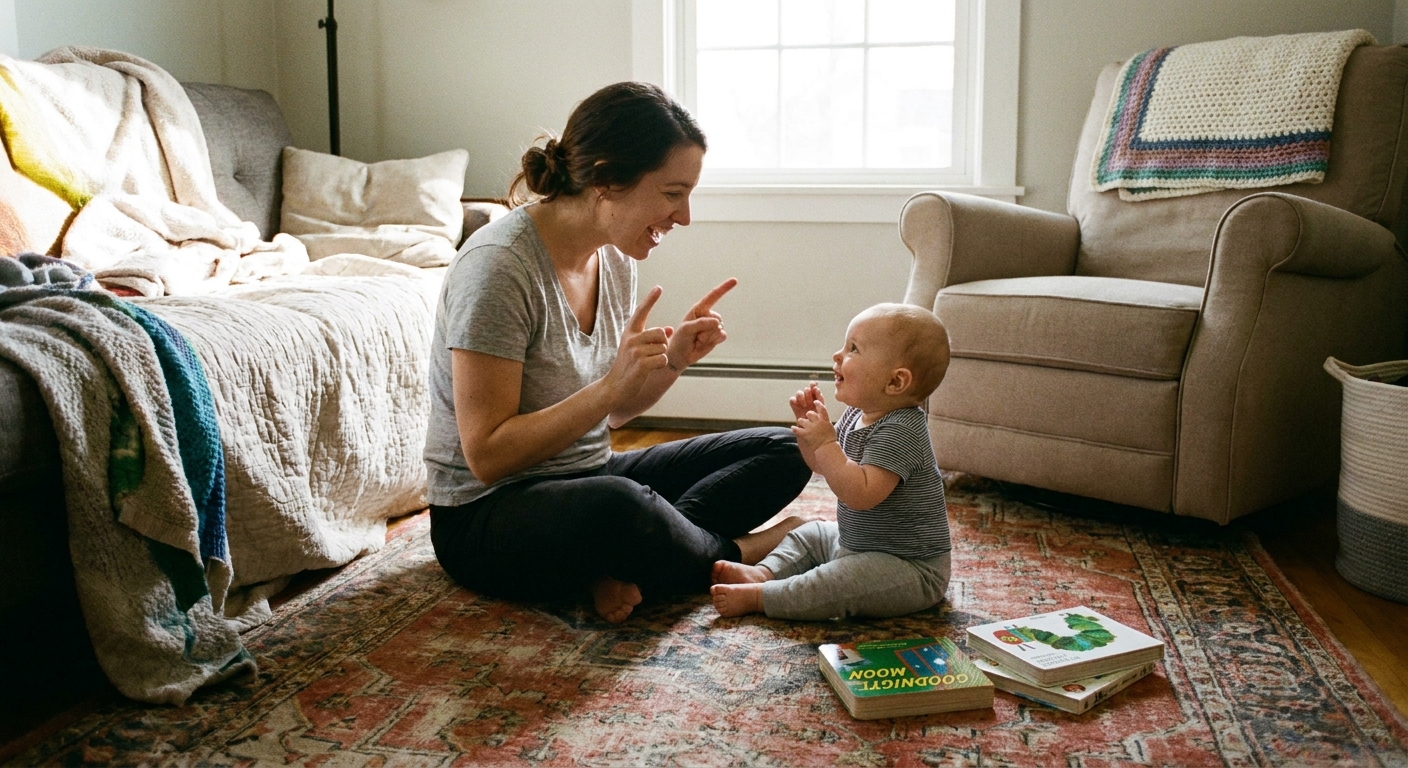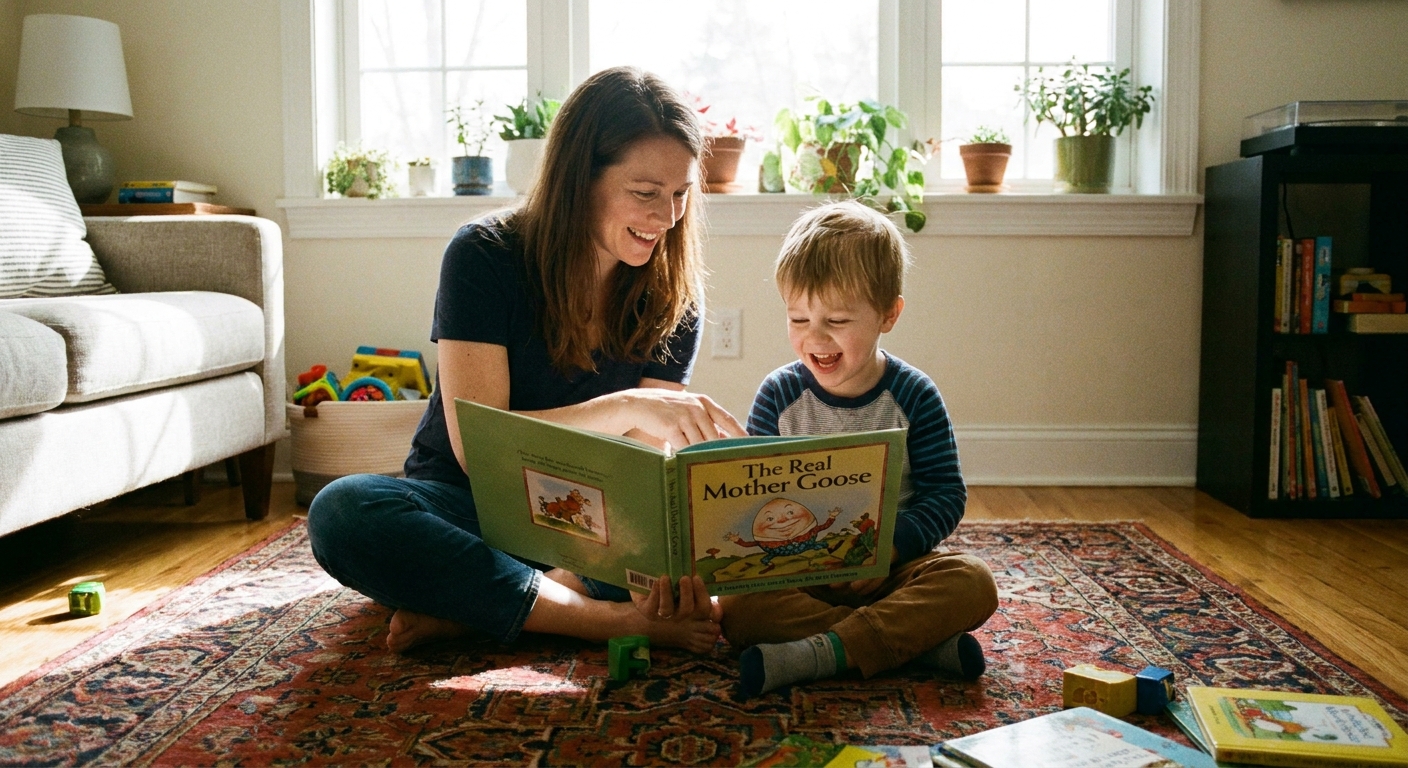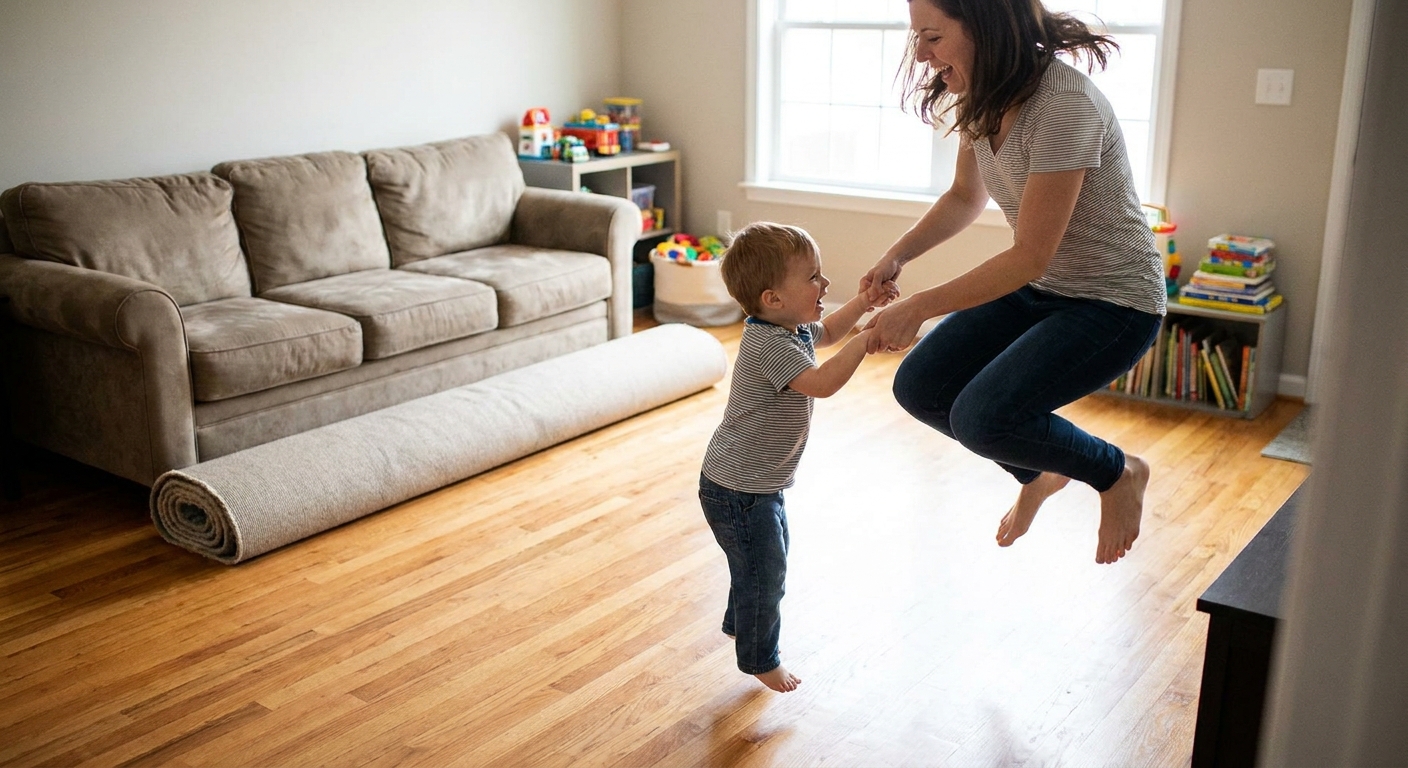

When my kids were tiny, I learned something the hard way: you do not have to “teach” speech like a lesson. You can invite it. And one of the easiest invitations is an animal rhyme, because animals come with built-in sound effects. A baby might not say “horse” yet, but they can absolutely try “neigh!” A toddler might not manage a full sentence, but they can shout “moo!” with confidence.
This list leans on farm and jungle favorites, plus a few animal rhymes I have used for years in playgroups and at my own kitchen table. I will give you a simple way to say or sing each one, the sounds to listen for, and one tiny interactive move that helps kids vocalize more readily.
How animal rhymes help early speech
Animal rhymes work so well because they naturally practice the building blocks of speech:
- Vowel play (long “oo” in “moo,” stretchy “ay” sound in “neigh,” open “ah” in “baa”).
- Easy first consonants (m, b, p, d, n, h) that many babies can attempt early.
- Turn-taking, which is a quiet superpower for language. You make the sound, your child tries, you cheer, repeat.
- Breath and volume control, from whispery “sss” for snakes to loud lion roars.
If you want a cozy bigger picture of why rhythm and repetition can be calming for little brains, you might also like The Science of Lullabies. Different goal, same reliable tools: steady beat, predictable patterns, and a safe voice they love.
How to use this list
A quick kitchen-table routine
- Pick 2 rhymes for the morning and 2 for bedtime. Repetition is your friend.
- Pause on the animal sound and look at your child like it is their turn.
- Accept any attempt: a breath, a grin, a squeal, a “mm.” That counts.
- Keep it short. Two minutes is plenty when it stays playful.
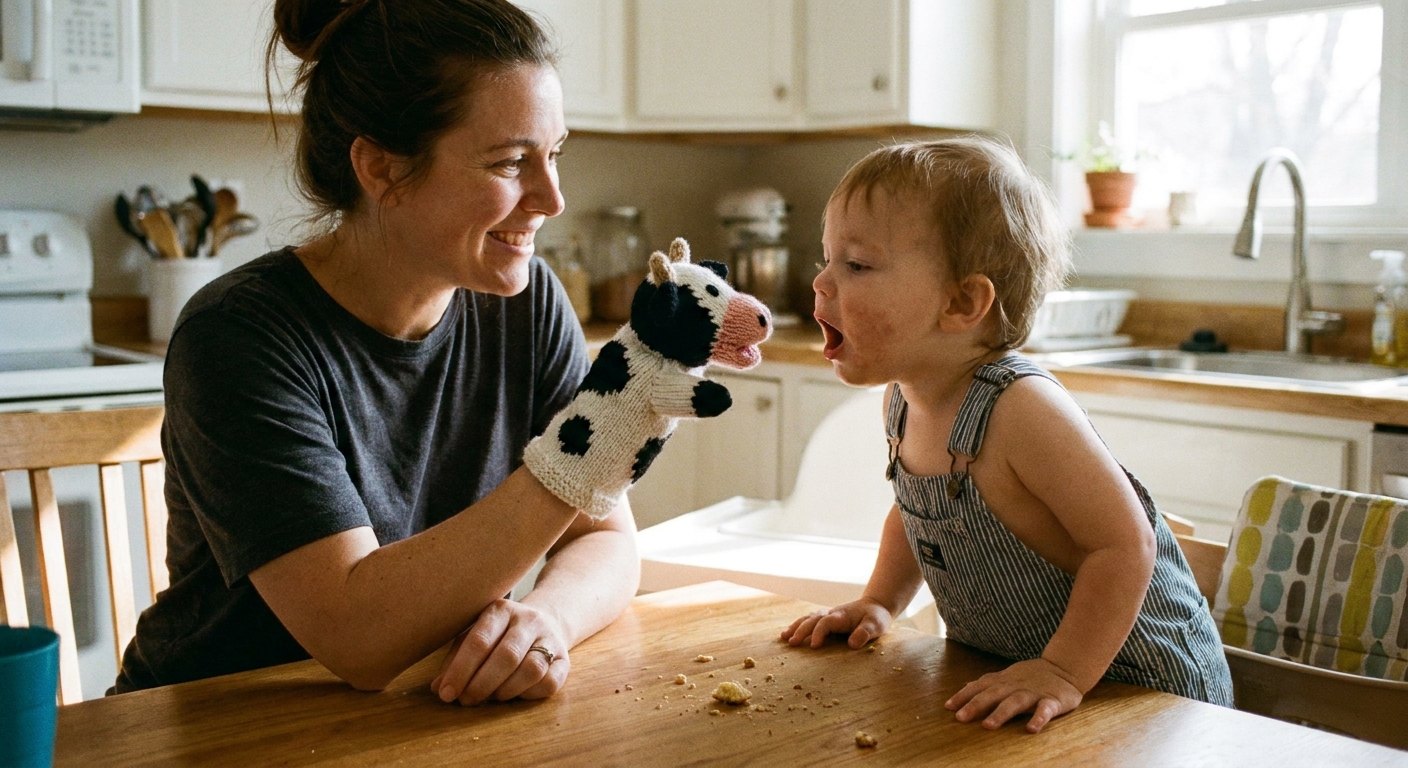
Tip from the playgroup trenches: if a child is shy, try letting a toy “say” the sound first. Suddenly it is not their voice on the line, it is the bear’s.
10 animal rhymes for vocal play
1) Old MacDonald Had a Farm
Try it like this: Sing the classic, but slow down on the animal sound: “And on that farm he had a cow… E-I-E-I-O… with a moo moo here…”
Sounds to listen for: “oo” (moo), “ah” (baa), “ay” (neigh), plus early consonants like m, b, n.
Make it interactive: Hold up two toy animals and let your child choose. Choice-making often can spark more talking than prompting does.
2) Baa, Baa, Black Sheep
Try it like this: Chant it softly at first, then do one big joyful “baa!” together.
Sounds to listen for: “b” + “ah” (baa), “m” in “master,” “t” in “three.”
Make it interactive: Do a little “wool tickle” on your child’s arm when you say “one for the little boy.” Many kids will squeal or babble right on the tickle.
3) Mary Had a Little Lamb
Try it like this: Use the “la-la-la” part as a speech playground. Babies love repeating “la.”
Sounds to listen for: “l” (la), “ee” (fleece), “m” (Mary).
Make it interactive: Replace “lamb” with your child’s name once, then go back to “lamb.” The surprise often gets a giggle and a vocal response.
4) This Little Piggy
Try it like this: This is a toe rhyme, but it is also a sound lesson. Go slow and leave pauses.
Sounds to listen for: “p” in piggy, “wee” in “wee wee wee,” squeals and laughter (yes, those count as vocal play).
Make it interactive: Before the “wee wee wee,” stop and wait. Many toddlers will jump in to finish it.
5) Five Little Ducks
Try it like this: On “quack quack quack,” round your lips for “kwa,” pop the “k,” then pause for your child.
Sounds to listen for: “a” in quack, “k” at the end, counting rhythm if your toddler is starting numbers.
Make it interactive: Hold up fingers for the ducks, then “hide” one behind your back each verse. Anticipation leads to participation.
6) Hey Diddle Diddle
Try it like this: Emphasize the animal characters: “The cat and the fiddle, the cow jumped over the moon…” Then add one playful animal sound after each: “cat, meow!” “cow, moo!”
Sounds to listen for: “m” (meow, moo), “ow” (cow), “oo” (moon).
Make it interactive: Do a tiny “jump” motion with your hands when the cow jumps. Movement can make it easier for some kids to join in vocally.
7) Two Little Blackbirds
Try it like this: The original is “Two little blackbirds sitting on a hill.” You can keep it, or swap to a jungle bird: “Two little parrots…”
Sounds to listen for: Name play and simple greetings: “hi,” “bye,” “yes,” “no.”
Make it interactive: Put two fingers up like birds. Let your child “fly” one away while you say “Fly away, Jack!” Kids love being in charge of the disappearing act.
8) Baby Shark
Try it like this: Keep it short. Do just one verse, then stop. “Baby shark, doo doo…” is extremely repeatable for early talkers.
Sounds to listen for: “doo” (great rounded lips), “sh” in shark for older toddlers.
Make it interactive: Whisper the “doo doo doo doo doo doo” once, then sing it loud. Some babies answer a whisper with a bigger vocal burst.
9) Down by the Bay
Try it like this: The traditional song is full of silly rhymes. For speech practice, keep the structure and plug in animals: “Down by the bay… Did you ever see a lion going roar roar roar?”
Sounds to listen for: Big open “ah/aw” (roar, depending on your accent), “sss” (snake), “eee” (cheep).
Make it interactive: Offer two options: “Lion roar or snake hiss?” A choice invites a clear answer, even if it is just the sound effect.
10) Walking in the Jungle
Try it like this: Chant it like a call-and-response: “Walking in the jungle… (pause) walking in the jungle… We’re not afraid…” Then add animal sounds: “Uh-oh, a monkey! ooh-ooh-ah-ah!”
Sounds to listen for: Open vowels (ah), breathy sounds (h), playful squeals and growls.
Make it interactive: Stomp softly together for “walking,” then freeze when you say “Uh-oh!” That little quiet moment often gives a child space to jump in with a sound.
Vowels and animal sounds
If your child is in the “mostly babble, some syllables” stage, it helps to know what you are listening for. Here are a few friendly targets to sprinkle into any rhyme:
- “Moo” (oo): rounded lips, great for “oo/oh” practice.
- “Baa” (ah): open mouth, easy volume play.
- “Neigh” (ay): a stretchy “ay” sound older toddlers can hold out.
- “Meow” (ee-ow): a fun two-part sound for kids ready for more complex vocal play.
- “Roar” (aw/oh): encourages breath and projection without needing precise words.
If your child will not make the sound
Some kids are bold performers. Others are quiet observers who practice privately and then surprise you in the car three days later.
- Model without pressure: “Cow says mooooo.” Then move on.
- Try “fill in the blank”: “Cow says…” and shrug like you truly forgot.
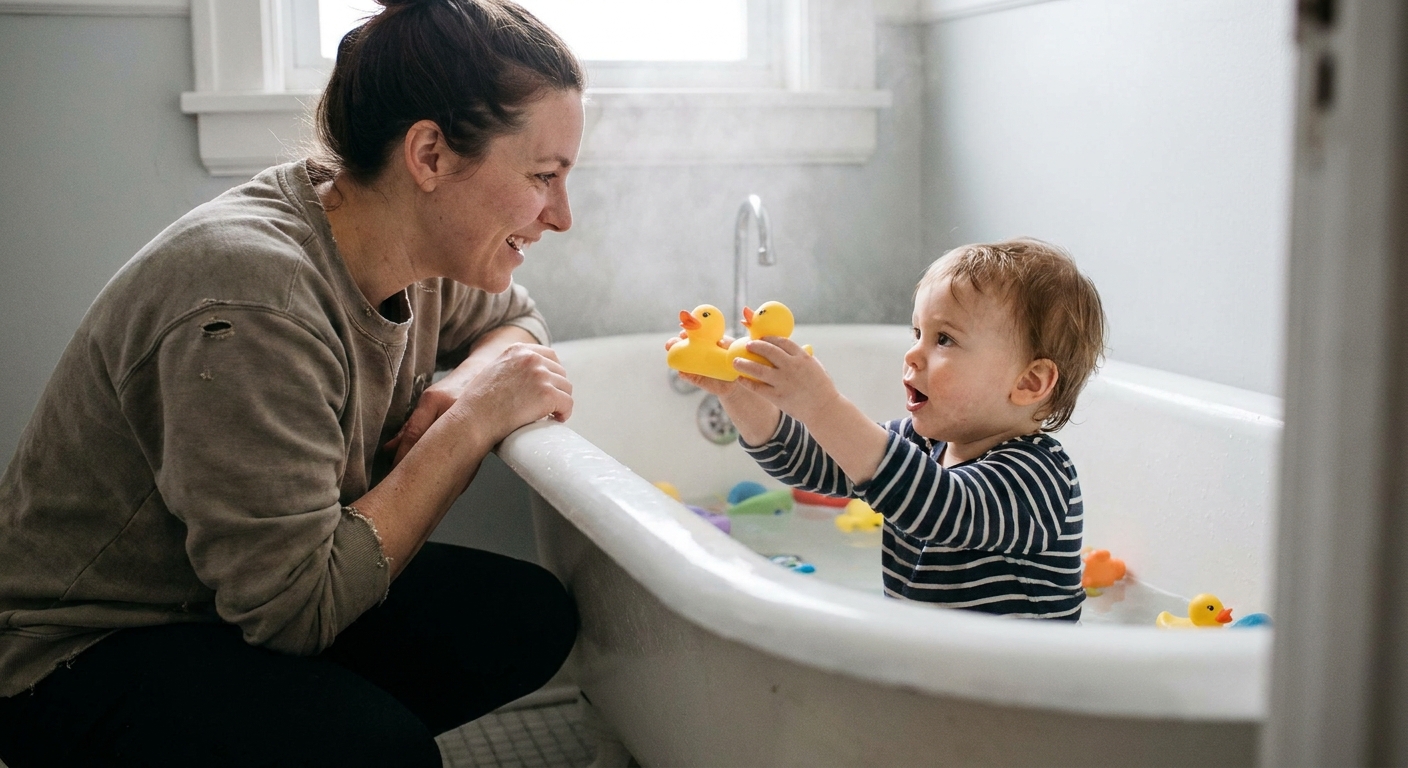
- Use props: a stuffed animal, a bath toy, a paper bag puppet. The toy can “talk” first.
- Repeat tomorrow: the same two rhymes, same rhythm. Familiarity builds bravery.
If you want more easy, everyday ways to make singing part of your routines, hop over to our Nursery Rhymes guide and explore at your own pace.
When to ask for extra help
If you are worried, you are allowed to ask questions early. Consider checking in with your pediatrician or a speech-language pathologist if you notice any of the following:
- Your baby is not babbling much, or you are not hearing many different sounds over time.
- You have concerns about hearing or responding to sound.
- Your child loses words or social skills they used to have.
Most of the time, you will get reassurance and a few practical next steps. And in the cases where support is needed, getting it early can make routines like these even more effective.
Safety note for loud animal noises
For babies, keep roars and barks a few inches away from their ears. If a sound feels like it is too much, soften it or do a whisper version. Quiet animal voices are just as fun.
Keep the chorus going
Once you have two or three favorites, you can tuck them into transitions: diaper changes, hand washing, car seats, tidy-up time. Songs are wonderful bridges for kids who struggle with switching activities. If you need a few musical bridges, these transition songs for tidy-up time are a lifesaver at my house.
And if you want to add a little rhythm without buying anything, try making simple shakers from pantry-safe items. I shared a family-friendly how-to here: DIY Shakers and Rhythm Sticks for Family Sing-Alongs.