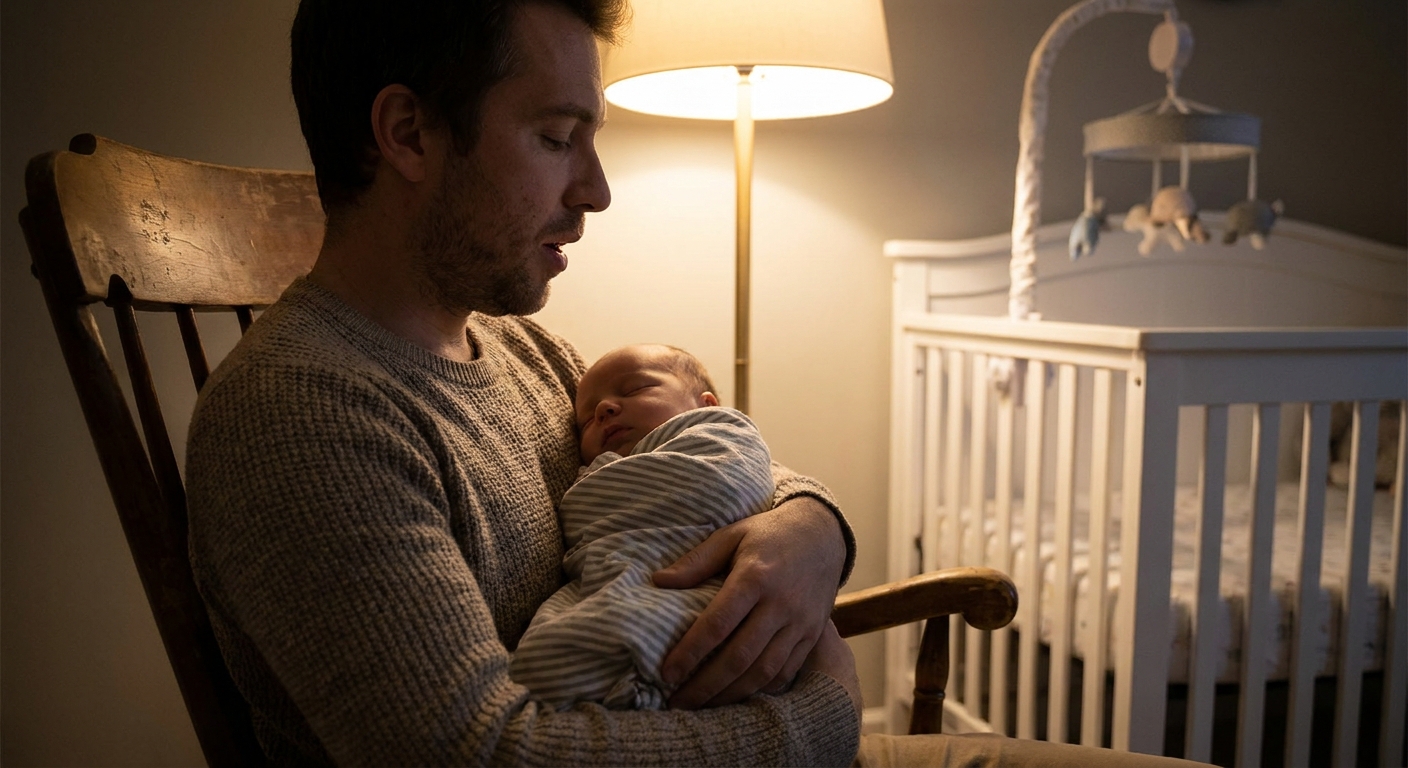

In our house, bedtime has never been a single moment. It is a slow soft landing. Pajamas, dim lights, one last sip of water, and then that familiar hush that happens when you start singing the same little song you sang last night.
And here is the funny part. It doesn’t have to be a perfect voice or a fancy melody. Babies are not grading your performance. What they seem to love most is the sound of you, plus a rhythm they can predict.
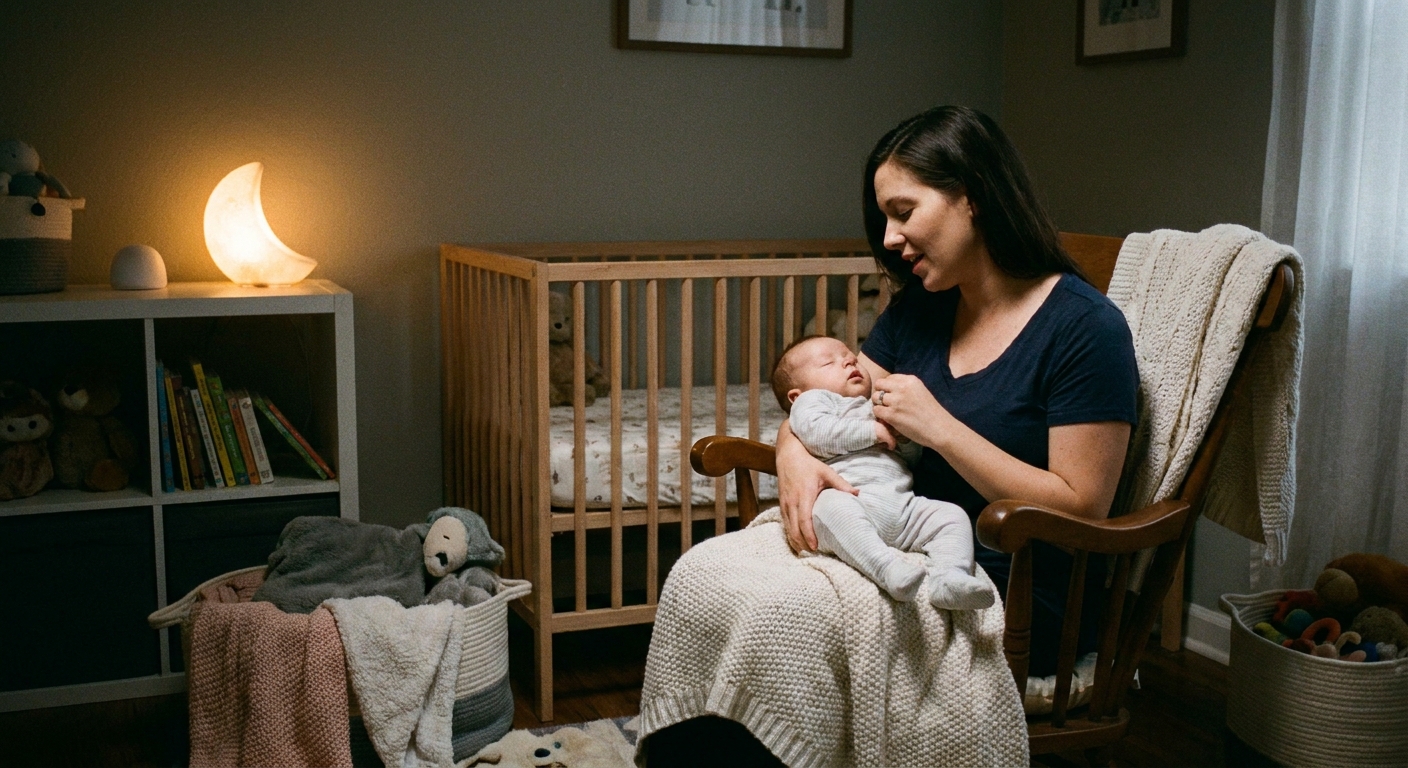
Why lullabies calm babies
Lullabies work because they stack several soothing signals at once. Think of them as a little bundle of comfort cues your baby can recognize.
1) Predictable rhythm helps the body settle
Many lullabies have a steady, repeating beat and simple phrasing. That predictability can feel calming for a developing nervous system. A baby does not have to wonder what happens next. The pattern itself becomes reassuring.
2) Slow tempo can encourage slower breathing
When you sing gently and a bit slower, some babies start to match that pace. Breathing may become deeper and more regular, which supports relaxation.
3) Familiar sounds create a safety signal
Babies are wired to recognize caregivers. Your voice, especially when it shows up the same way every night, can become a powerful sleep cue. Over time, the song simply becomes more and more familiar, like a little sign that says, “You are safe. It’s time to rest.”
4) Repetition builds a sleep cue
This is not a trick. It is basic learning. If the same song reliably shows up right before sleep, your baby’s brain can start treating that melody like a sign that rest is coming.
5) Gentle singing may ease stress
Research on infant-directed singing suggests it is associated with calmer behavior and reduced distress in babies. If you enjoy peeking at the research side, you can start with this overview from the American Psychological Association: https://www.apa.org/monitor/2013/10/babies-music.
All of this is why a lullaby can help even when your baby is too young to understand words. The meaning is in the steadiness, the closeness, and the familiar sound.
Before we sing
If your baby is under 12 months, the American Academy of Pediatrics recommends a safe sleep setup: baby on their back, firm flat sleep surface, and no loose blankets, pillows, or stuffed items in the sleep space. If you would like the full guidance, here it is: https://www.aap.org/en/patient-care/safe-sleep/.
Now let’s get to the cozy part.
7 calming bedtime songs
You do not need all seven. Pick one or two and repeat them nightly. Consistency is what makes them powerful.
1) “Twinkle, Twinkle, Little Star”
Why it works: It is slow, familiar, and built on simple repeating lines.
Try it like this: Sing it a touch lower than you think you should, and soften the ends of each line. Those gentle endings act like little exhales.
2) “Brahms’ Lullaby”
Why it works: The melody is smooth and rocking, almost like a slow sway.
Try it like this: Hum the first verse if words feel awkward. Humming keeps the sound steady and removes the temptation to perform.
3) “Hush, Little Baby”
Why it works: It is repetitive and story-like, which can hold a baby’s attention without revving them up.
Try it like this: Keep the volume low and the tempo even. If you notice yourself speeding up, pause between verses and take one slow breath.
4) “Rock-a-Bye Baby”
Why it works: The rocking motion in the tune pairs naturally with gentle swaying.
Try it like this: If the “cradle will fall” line bothers you, you can change it. In my house I have sung, “and down will come baby, safe in your arms.” Babies love your calm more than they love historical accuracy.
5) “Amazing Grace”
Why it works: Long phrases, steady melody, and a naturally slower pace when sung as a lullaby.
Try it like this: Stretch the vowels a little and keep consonants gentle. Think “warm spoonful of honey,” not sharp, stage-ready diction.
6) “You Are My Sunshine”
Why it works: It is familiar to many adults, which helps you sing it comfortably and consistently.
Try it like this: Sing only the first verse and repeat it twice. Many babies settle better with fewer new lines.
7) “All the Pretty Little Horses”
Why it works: It has a dreamy, repetitive quality and a naturally soothing lilt.
Try it like this: Use it as your last song, the one you only sing when you are ready to lay baby down. That special placement can make it a strong sleep cue over time.
3 tiny tweaks that help
- Slow it down. Most of us sing faster when we are tired. Try singing about 10 to 20 percent slower than your instinct.
- Go quieter over time. Start at a gentle speaking volume, then gradually soften each verse. This creates a natural fade out.
- Repeat one song nightly for a week. The magic is not novelty. It is familiarity.
A quick volume note: If you are not sure how loud to go, aim for “close enough to hear clearly, soft enough that you could still whisper.” Lullabies do not need to compete with white noise or a loud fan. If you use both, keep everything gentle.
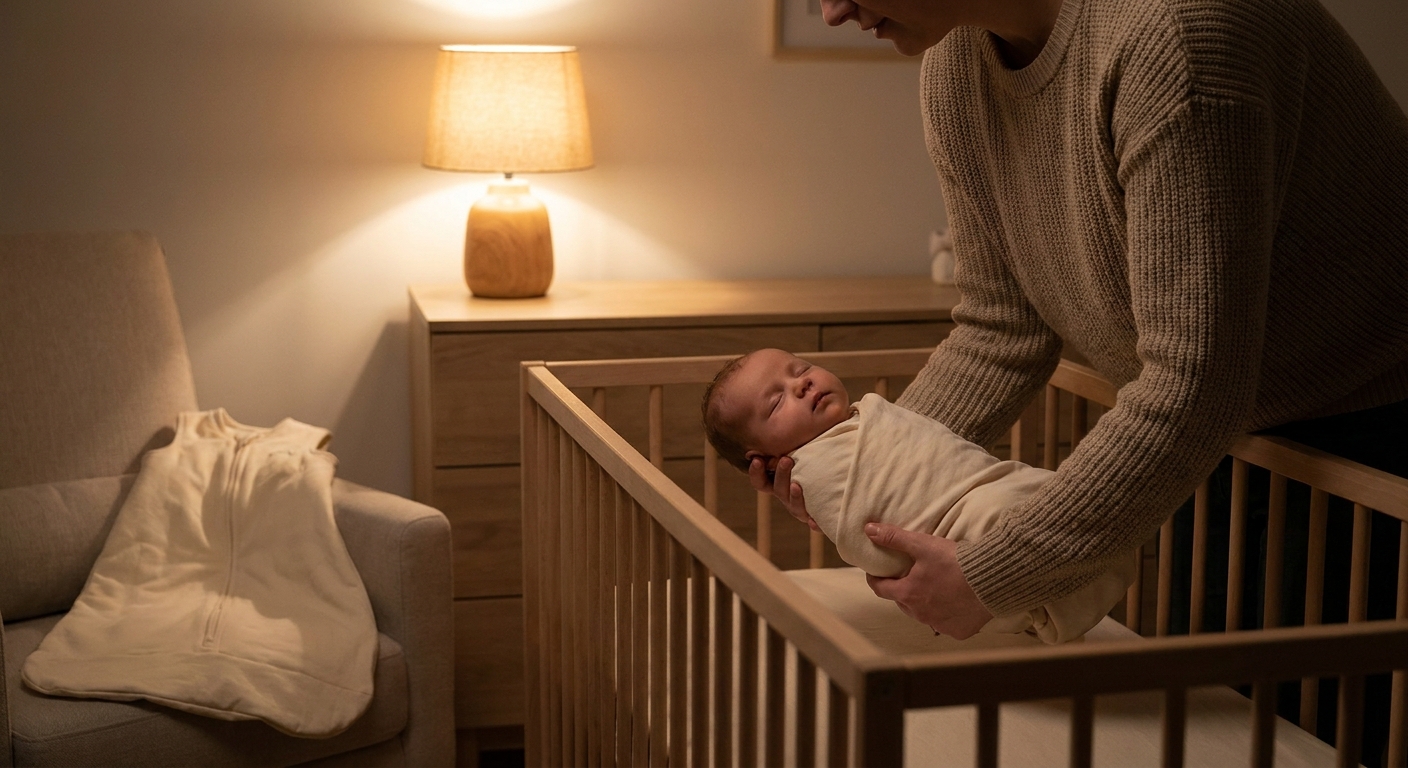
If your baby cries when you sing
This happens sometimes, especially if your baby is overtired or going through a fussy phase. A few gentle options:
- Switch to humming. The vibration and steadiness can feel less stimulating than words.
- Try one simple phrase. Pick a single line like “hush now, sweetheart,” and repeat it on the same notes.
- Change the position. Some babies prefer singing while being held upright, others prefer being held still instead of swayed.
- Check the basics. Hunger, gas, a too-warm room, or a wet diaper can overpower even the best lullaby.
A simple bedtime flow
If you like a routine that practically runs itself, here is one I have used in one form or another for years:
- Dim lights and lower household noise.
- Fresh diaper and sleep clothing.
- One short book or a few quiet sentences of a story.
- Same lullaby every night (one or two verses).
- Lay baby down drowsy, then hum for 15 to 30 seconds as your goodnight signal.
If your baby only falls asleep while being held, you are not alone. That is very common. When you are ready to work on transferring to the crib, keep it gradual and keep safe sleep front and center. If you are unsure what is right for your baby’s age and stage, your pediatrician can help you sort out a plan that fits your family.
If you want more ideas for musical play beyond bedtime, our Kids Songs guide is a lovely place to wander when you have daylight energy again.
FAQ
When can I start singing lullabies?
Right away. Newborns recognize familiar voices, and repetition can become comforting even in the earliest weeks.
Do I need to sing in tune?
No. Your baby is soothed by your voice, steadiness, and closeness. Soft, steady rhythm beats perfect pitch every time.
How long should I sing?
Many babies do well with 3 to 8 minutes. If you have been singing 15 minutes and your baby is getting more alert, shorten it and shift to quiet humming as you finish.
Is recorded music okay?
Recorded music can be pleasant, but your live voice is special because it responds to your baby in real time. If you use recordings, keep volume low and still keep a consistent bedtime routine around it.
One last cozy thought
The most effective lullaby is the one you can sing even when you are tired, even when the day was a lot, even when the laundry is giving you side-eye from the corner.
Pick a song that feels like a soft sweater to you. Your baby will learn it by heart, one sleepy night at a time.
If you ever want to turn your favorite song into a little craft for daytime play, you might enjoy Make a Paper Song Scene. It is a sweet way to bring music to the craft table.