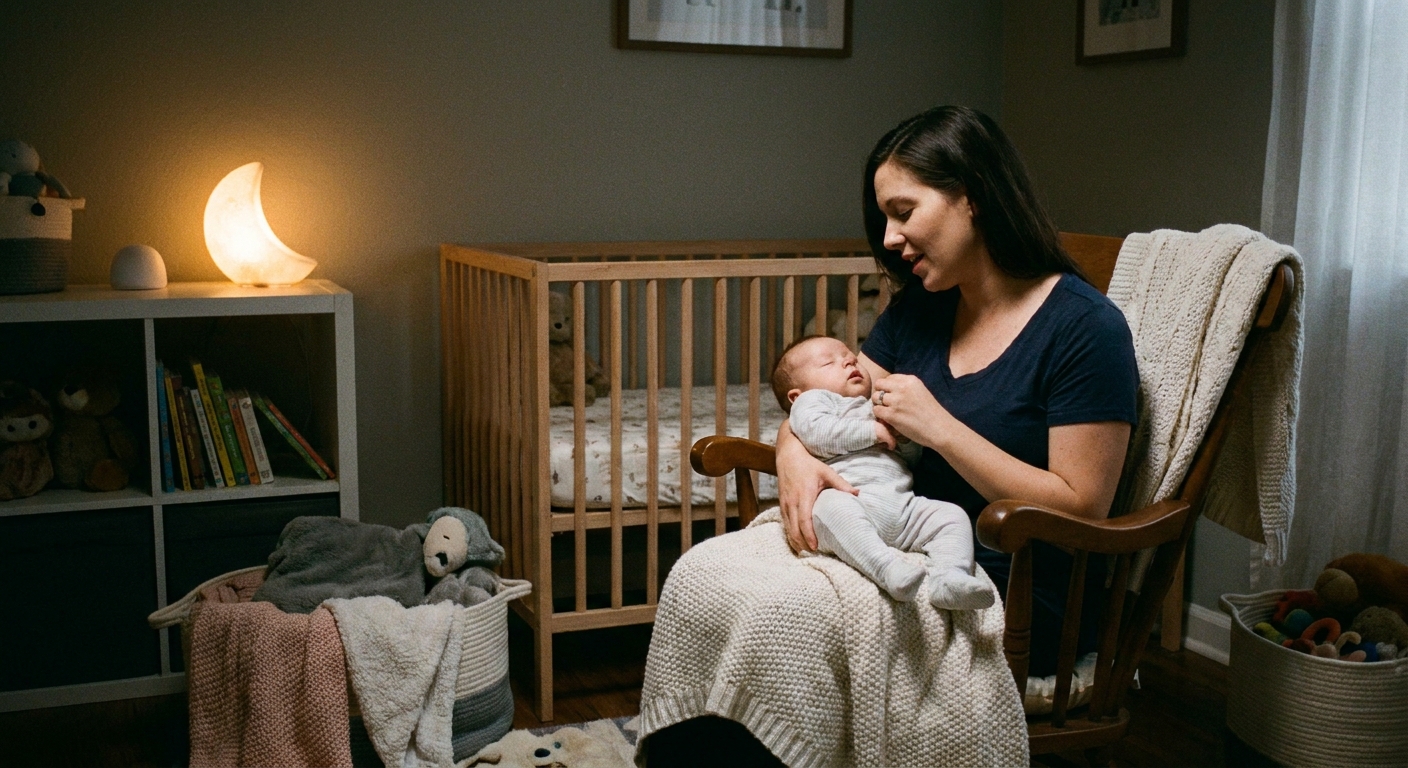

When my first baby was tiny, I used to sing while folding laundry the way my mom did. Then I caught my own reflection in the dark microwave door mid-chorus and thought, Who gave me permission to perform? I nearly stopped. Not because my baby didn’t like it, but because I felt exposed.
If you’re convinced you have a terrible voice, I want you to hear this like I’m sitting beside you at the kitchen table: your baby is not rating your pitch. Your baby is listening for you. Your rhythm, your familiar sound, your comfort, your love.
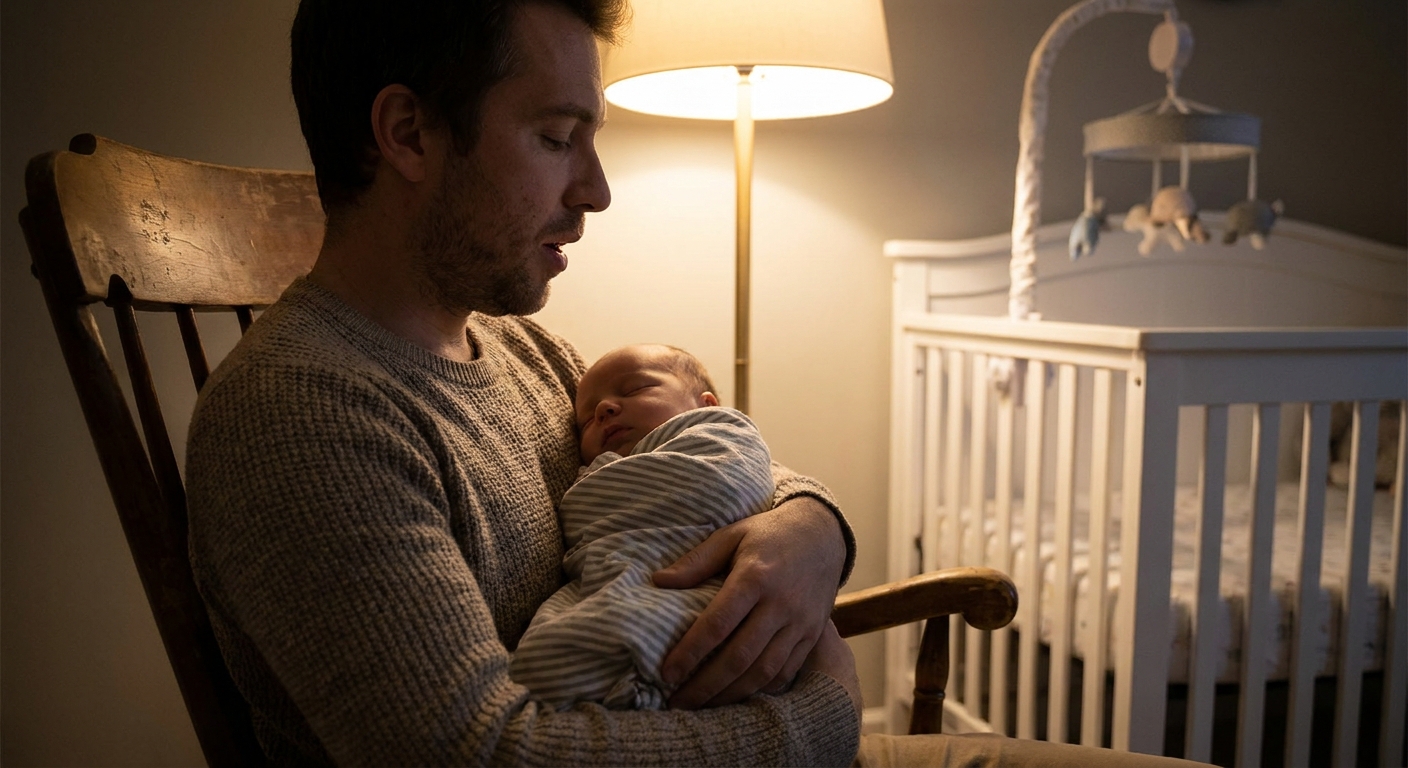
Why your baby loves your voice
Babies recognize caregivers by sound very early, including from birth. Your voice is one of the first familiar patterns they can learn and lean on. Even if you feel off-key, to your baby it can be the safest soundtrack in the world.
- Familiarity beats perfect pitch. Babies often prefer what they hear often. Your voice is a repeat favorite.
- Emotion carries more than melody. A gentle, steady tone can tell your baby, “You’re okay.”
- Simple and predictable is soothing. Lullabies and little chants work because they are repetitive, not because they are flawless.
And here’s the part I remind myself of on tired nights: your baby is learning connection, not concert skills.
The benefits of singing
Singing is one of those everyday tools that can quietly do a lot of heavy lifting for development. It can support both your baby’s growing brain and your relationship with them.
Language and listening skills
Songs stretch out sounds, repeat words, and highlight patterns. That can help babies practice listening, noticing syllables, and eventually making sense of speech.
Emotional regulation
A steady song can act like a bridge from fussing to calm. The predictability of rhythm can help babies settle, especially when you keep the tempo slow and consistent.
Bonding and trust
When you sing, you may find yourself looking at your baby more, touching gently, and pausing to watch their cues. Over time, those small moments can support secure attachment.
Routine cues that make life easier
A little “diaper song” or “sleepy song” becomes a cue. Over time, your baby can learn what comes next, and that can make transitions smoother.
If bedtime is your biggest hurdle, you might like our calming song ideas in The Science of Lullabies: 7 Calming Bedtime Songs to Help Babies Sleep.
When you feel embarrassed
Let’s be practical. Feeling self-conscious is real, especially if you grew up in a “please don’t sing” household or had one too many middle school music moments.
Start with humming
Humming counts. Truly. Hum while you rock, while you heat a bottle, while you pace the hallway. It is gentle on your voice and easy to keep steady.
Try half-singing like a story
Use a sing-song voice on spoken words, almost like reading a picture book with extra warmth. Babies love that lilting rhythm.
Keep it private at first
If you freeze up when other adults are around, begin during nap wind-down, bath time, or those quiet middle-of-the-night feeds when it is just you two.
Borrow a melody you already know
Use the tune of something simple (like “Twinkle, Twinkle”) and swap in your own words: “Wash, wash, wash your toes” or “Time to put your jammies on.” Familiar tunes reduce the mental load.

Easy vocal tips
You do not need technique. You just need comfort. These little tweaks can make singing feel easier and sound calmer to your baby.
1) Go lower than you think
When we feel nervous, we often pop into a higher pitch. Try dropping your voice slightly. A lower, gentler range usually feels steadier.
2) Slow the tempo
If your baby is fussy, aim for slow and even. Think rocking-chair speed, not dance-party speed.
3) Use your breath like a metronome
Inhale quietly through your nose, then sing or hum on a long exhale. It naturally slows you down and smooths the sound.
4) Repeat one verse
Babies love repeats. Pick one short section and loop it. This is wonderful when you are tired and cannot remember lyrics.
5) Keep the volume small
Especially with newborns, you do not need to “project.” A close, soft voice is often more soothing than louder singing. If your baby turns away, stiffens, or gets more frantic, take that as a cue to go quieter, slow down, or pause.
No-pressure ways to sing
If the idea of a full song makes you tense, try singing in tiny snippets that fit into what you are already doing.
- Diaper change: Make a simple chant: “Wipe wipe wipe, all done.”
- Getting dressed: Name what you see: “Socks on feet, warm and sweet.”
- Feeding: Hum during the first minute to help your baby settle into the rhythm.
- Car seat buckle: A short “click click, snug and quick” can distract and comfort.
- Bath: Slow singing plus warm water is a magical combo for many babies.
And if you want ideas for family singing beyond babyhood, our Kids Songs guide is a lovely place to wander.
If your baby cries when you sing
This can feel like a personal rejection, but it usually is not about your voice.
- Check the basics first: hunger, gas, temperature, fatigue.
- Try changing the style: hum instead of sing, slow down, or go quieter.
- Change your position: some babies calm faster with movement (gentle walking) than with still rocking.
- Keep it short: sing for 20 seconds, pause, and watch your baby’s cues.
Some babies prefer a steady “shh” rhythm or simple humming, especially when they are overstimulated. You can always come back to singing later.
Songs to borrow
You do not need a big repertoire. Here are a few tiny, repeatable options that work even when your brain is running on crumbs of sleep.
The 10-second calm-down hum
Hum one comfortable note on “mmm” while you sway. That is it. Repeat as needed.
The name song
Use any gentle melody and sing your baby’s name slowly. If you freeze on the words, keep it simple: “Good morning, sweet baby, good morning to you,” then swap in their name when it feels natural.
The routine cue
Pick one line and keep it consistent, like: “It’s sleepy time, it’s sleepy time.” Same words every night.
For more structured bedtime ideas, visit our lullabies article and choose just one to repeat for a week. Repetition is where the magic is.
A gentle pep talk
Your baby does not need you to be impressive. Your baby needs you to be present.
So if your voice shakes, let it. If you forget the words, make up silly ones. If you only manage a hum while you pat a tiny back, that still counts.
And if singing feels impossible because you are dealing with postpartum anxiety, depression, or just feeling unlike yourself, that is a different kind of hard. You deserve support while you find your footing.
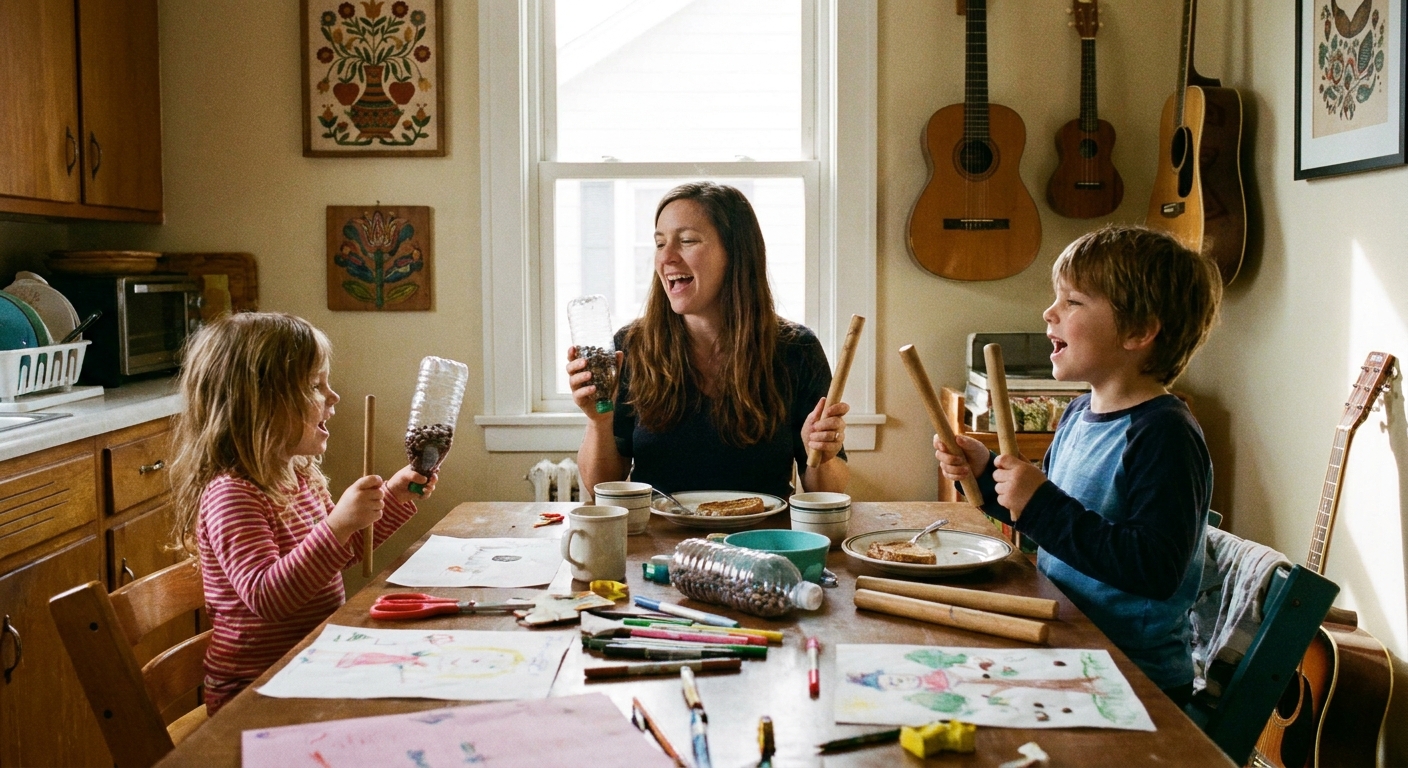
On the days you want to add a little rhythm without thinking too hard, you might enjoy making simple instruments together later on. I have an easy guide for that here: DIY Shakers and Rhythm Sticks for Family Sing-Alongs.
Quick questions
Do I have to sing quietly for a newborn?
Soft and close is usually best. Newborns can get overstimulated, so gentle volume and slower tempo tend to work well.
Is it okay to sing the same song every day?
Yes. Familiar songs can become comfort cues. Your baby learns, “I know what happens next, and I am safe.”
What if I’m too tired to sing?
Hum. Or speak the words in a rhythmic, soothing voice. Even one steady phrase repeated can help.
Can I play recorded music instead?
Recorded music is lovely, but your live voice has something special: it responds to your baby in real time. Many caregivers naturally slow down, soften, pause, and match what their baby seems to need.