
At my house, the hardest part of the day is not the mess. It is the switch. One minute my kids are astronauts and veterinarians and master block builders. The next minute I am asking them to tidy up or wash hands or head to the table, and suddenly I am negotiating with a tiny union.
The single best trick I have found over years of playgroups and community center chaos is a transition song. Not a long performance. Just a short, predictable, singable cue that tells their brains, “Oh, we are changing gears now.”
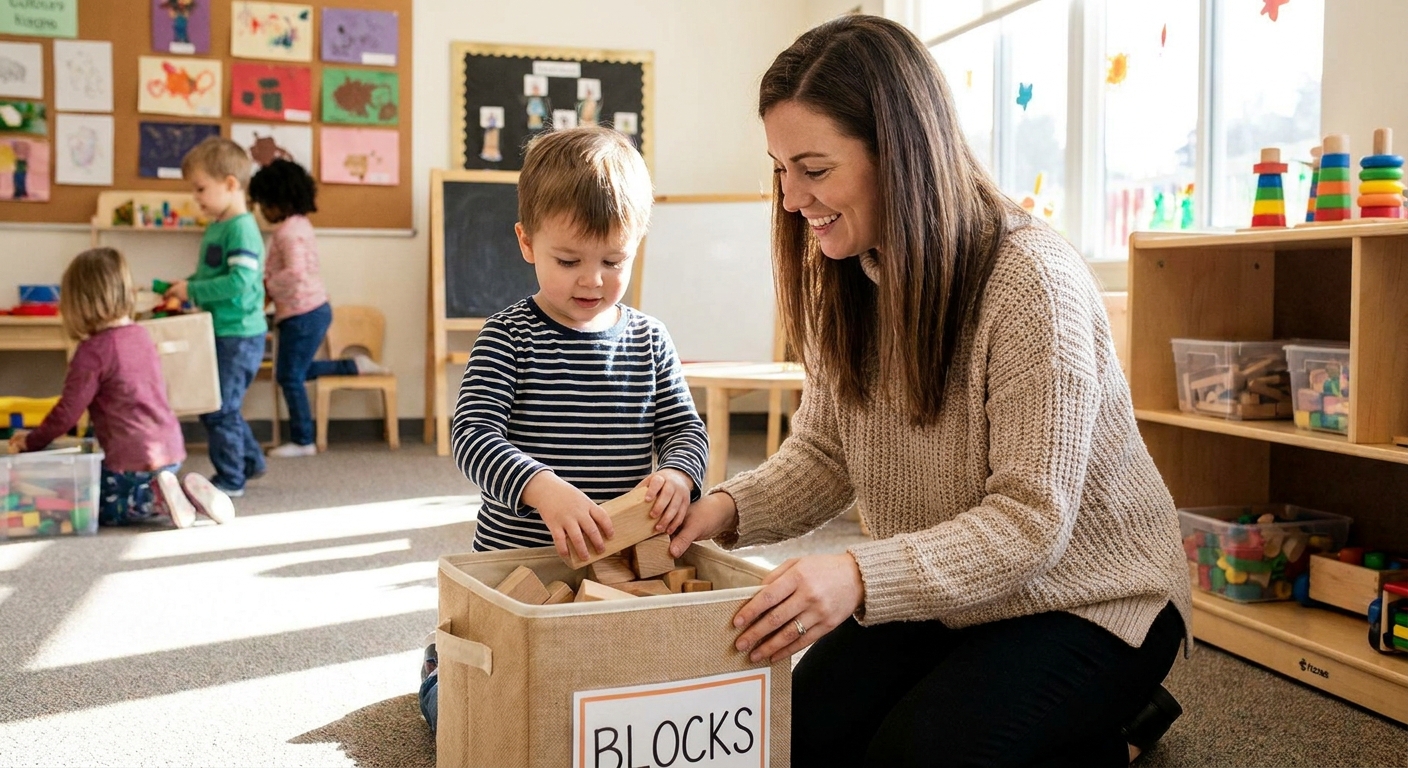
Why transition songs work
Young kids live in the moment. A transition song can give them:
- A warning without a battle. The song is the messenger, not you.
- A predictable script. Same tune, same job, same ending.
- A rhythm to move to. Rhythm can help bodies organize: stand up, walk over, put it in the bin.
- A “done” signal. When the song ends, the next activity begins.
Think of these songs as tiny bridges between two islands: Play Island and Real Life Island.
How to use a transition song
1) Keep it short
In real life, shorter usually works better. I aim for under a minute, often closer to 15 to 45 seconds. If the song is long, kids treat it like entertainment instead of a cue.
2) Pair the song with one clear action
Pick a simple “first move,” like: hands on head, walking feet, toys in bin, hands to sink.
3) Use the same song for the same situation
Consistency is magic here. One cleanup song, one handwashing song, one lineup song, and so on.
4) End with a calm next step
When the song finishes, say one sentence: “All done. Now we wash hands.” Avoid adding a paragraph.
5) If a child is upset, sing softer, not louder
In my experience, volume can feel like pressure. A gentle voice often helps kids settle enough to do the next step.
6) For kids who need extra support
If your child is sensory sensitive, anxious about change, or just has a tougher time with transitions, keep the song extra predictable and low-key. Humming the tune, using fewer words, or adding a simple visual cue (like pointing to the sink or holding up a toy bin) can make the whole thing feel clearer and safer.
If you want more everyday singing ideas, you might enjoy our Kids Songs guide.
8 transition songs
These are written to fit familiar tunes so you do not have to learn new melodies. Use your normal voice. “Good enough” singing is the point.
1) Classic tidy-up
When to use: General cleanup at home or in class
Sing:
Twinkle, twinkle, tidy time,
Pick up toys and put in line.
Blocks and books go in their place,
We can do it at a pace.
Twinkle, twinkle, tidy time,
Now our room is feeling fine.
Make it work: Assign one category per verse: “First we do blocks,” then “Now we do cars.”
2) Toy train cleanup
When to use: Kids who love vehicles, or who need movement
Sing:
The toys in the room go click, clack, clunk,
Click, clack, clunk, click, clack, clunk,
The toys in the room go click, clack, clunk,
All through tidy-up time.
Make it work: Have them “drive” one toy to its home each time you sing the line.
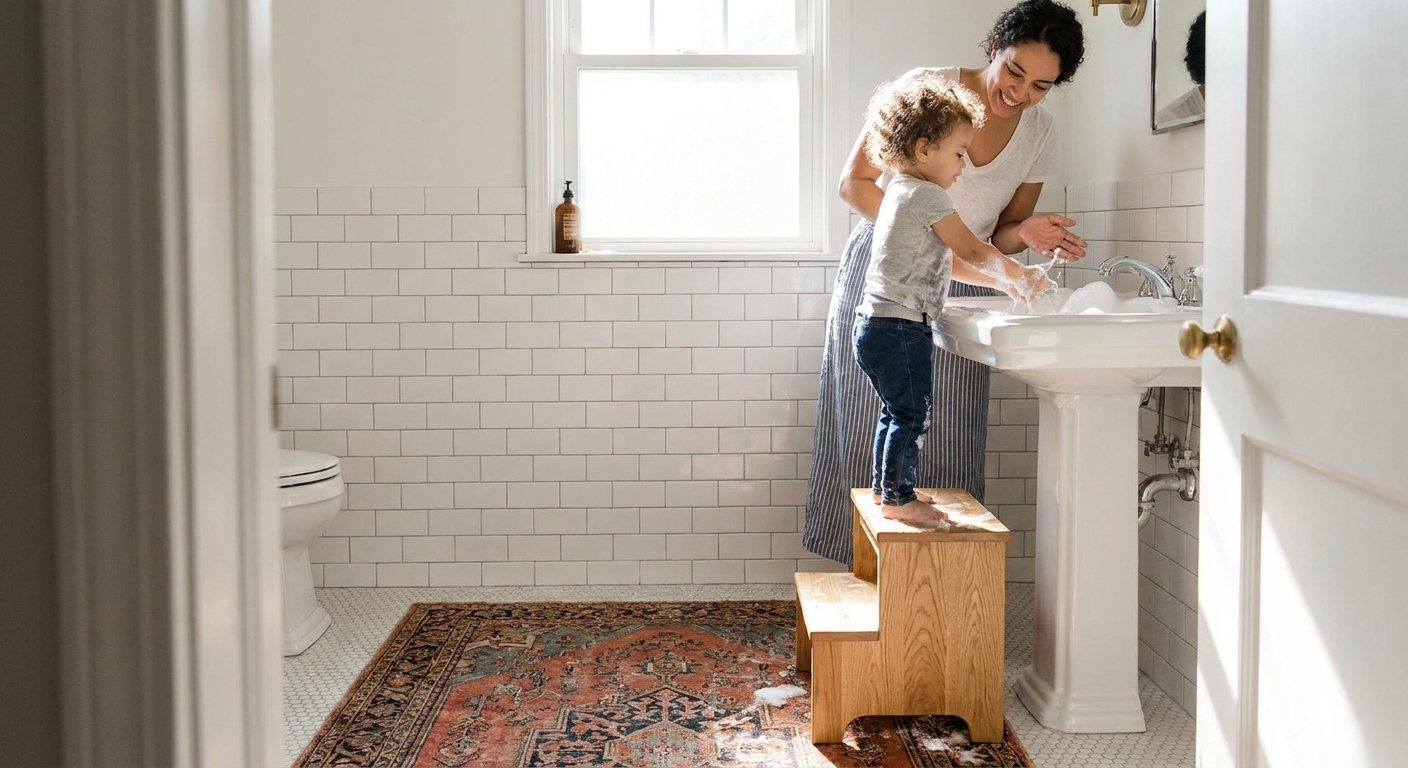
3) Clean hands, ready hands
When to use: Handwashing before meals, after outside play
Sing:
Wash, wash, wash your hands,
Bubbles nice and bright.
Front and back and in between,
Now they feel just right.
Make it work: Point to the steps as you sing: palms, backs, between fingers. Aim for a full scrub of about 20 seconds, and repeat the verse if you need a little more time.
4) Walking feet
When to use: Moving from room to room, hallway time, parking lot to door
Sing:
If you’re ready for the next thing, walking feet.
If you’re ready for the next thing, walking feet.
Keep your body safe and steady,
Slow and steady, walking feet,
If you’re ready for the next thing, walking feet.
Make it work: Add a quiet hand motion, like two fingers “walking” on your palm.
5) Freeze and listen
When to use: Getting attention without shouting
Sing:
Freeze your body, freeze your body,
Listen now, listen now.
Hands are on your shoulders,
Hands are on your shoulders,
Ready now. Ready now.
Make it work: Teach the motions once during a calm moment. Then it becomes your gentle “pause button.”
6) Line up little ducklings
When to use: Lining up for the door, bath time, bedtime routine steps
Sing:
Little ducklings, one by one,
Find your spot, we’re almost done.
Hands to self and voices low,
Waddle, waddle, here we go.
Make it work: Let kids choose a “duck number” for the day to reduce jostling.
7) Two-minute timer song
When to use: When kids need warning before a change
Sing:
Two more minutes, then we change,
Then we change, then we change.
Two more minutes, then we change,
Pick one last thing.
Make it work: You can sing it once at “two minutes,” then again at “one minute.” Even if you do not time it perfectly, the warning rhythm still helps.
8) Calm-down to cozy time
When to use: Transitioning to nap, quiet time, story time
Sing:
Cozy time is coming near,
Resting bodies, quiet ears.
Breathe in slow, then breathe out too,
Now our minds can feel brand new.
Make it work: Dim lights, lower your voice, and slow your pace. The environment should match the song.
If naps are not your transition battle but mornings are, you can borrow the same idea with brighter music from 10 Upbeat Morning Songs to Speed Up Your Toddler’s Routine.
Small upgrades
Give it a job title
Call it what it does: “Cleanup Song,” “Walking Feet Song,” “Wash Hands Song.” Kids love labels they can grab onto.
Use a simple prop sometimes
- A small basket for “basket brigade” cleanup
- A single scarf for “floating to the sink” handwashing transitions
- A stuffed animal that “models” the first move (toy puts away toy)
Let kids take a verse
Ask: “What should the books do?” and let them answer: “Books on the shelf!” Then you sing their line. Instant buy-in.
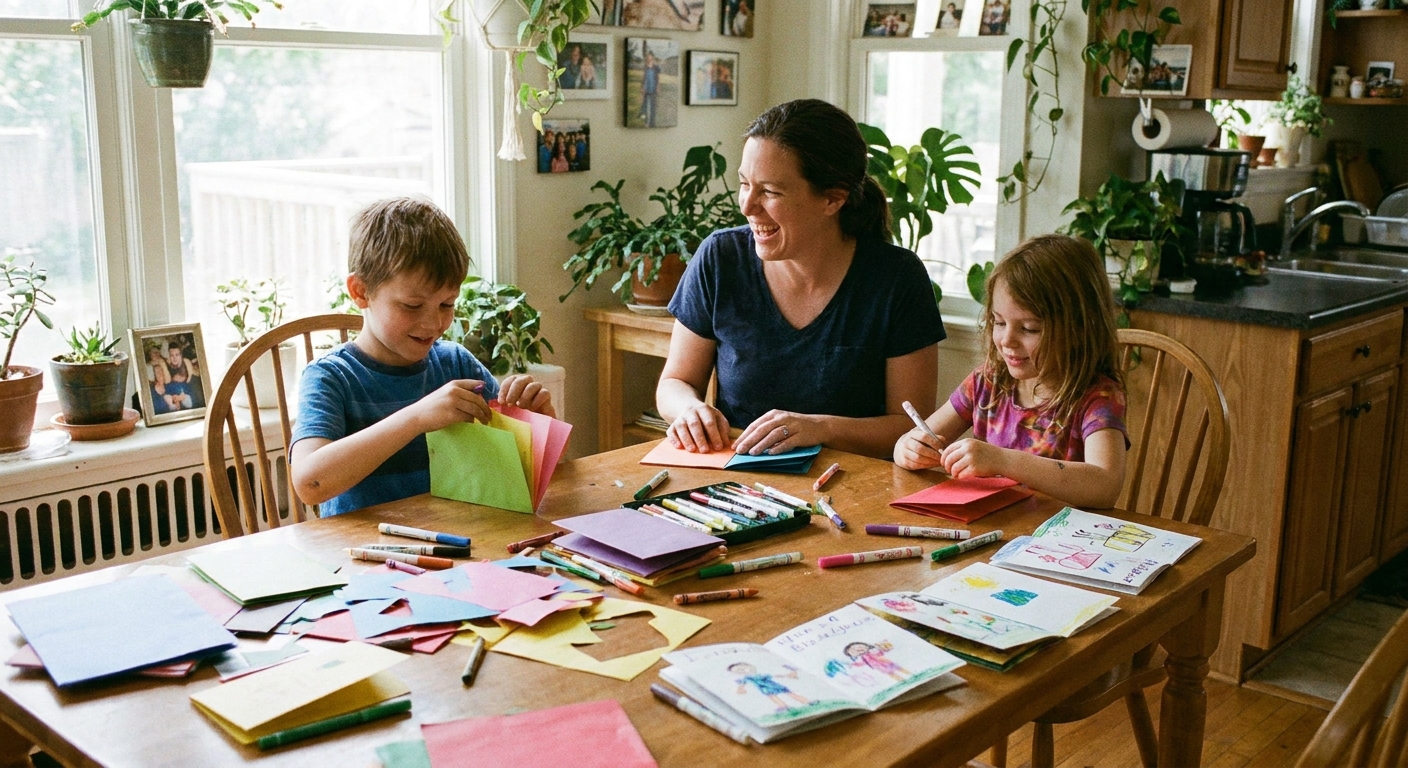
And if you want a hands-on way to connect songs with play (this is a big hit at the kitchen table), try Make a Paper Song Scene and create a tiny “tidy-up room” where the characters practice cleaning up.
Troubleshooting
“My child ignores it.”
- Stand close and sing to them, not across the room.
- Pair it with one physical cue: point to the bin, offer a hand, tap the sink.
- Keep using the same song for a week. Consistency usually kicks in after repetition.
“My child melts down during transitions.”
- Try the two-minute warning song first, then the action song.
- Offer one choice that still moves forward: “Do you want to carry the blocks or the books?”
- Lower stimulation: softer voice, fewer words, slower pace.
“The class gets louder when I sing.”
- Switch to a call-and-response style where kids echo one short phrase.
- Use a quiet “freeze and listen” song before the transition song.
- Sing slower than you think you should. Fast songs can rev kids up.
Quick chart
| Transition | Best song | First move |
|---|---|---|
| Playtime to cleanup | Classic tidy-up | Pick up 5 items |
| Cleanup to washing hands | Clean hands, ready hands | Walk to sink |
| Room to room | Walking feet | Hands on belly |
| Noisy play to listening | Freeze and listen | Hands on shoulders |
| Free play to line up | Line up little ducklings | Find your spot |
| Play to leaving the house | Two-minute timer song | Choose one last thing |
| Active time to nap or story | Calm-down to cozy time | Breathe in and out |
A real-life reminder
Transition songs are not magic spells. Kids are still kids. Some days you will sing your tidy-up song to one child who is helping, one child who is crying, and one child who is proudly wearing a mixing bowl as a helmet.
But over time, that little song becomes a friendly routine, and routines are where the peace lives.
If you want more playful, low-pressure ways to use music at home, wander through our Nursery Rhymes guide too. I love mixing classic rhymes with modern daily routines.