
The best family story times I have ever had were not the perfectly planned ones. They were the ones where someone was still in pajamas, the dog wandered in, and we ended up reading by flashlight because the “fort roof” accidentally covered the lamp. A reading fort is basically permission to slow down together. It makes books feel like an event, even if you are rereading the same favorite for the fifteenth time.
Below is my favorite no-fuss way to build a cozy, sensory-friendly reading fort using blankets, pillows, and a few twinkly lights, plus little touches that help different ages settle in.

What makes a reading fort feel truly cozy
Before you build, it helps to know what you are aiming for. A great reading fort usually has three ingredients:
- Soft boundaries: a roof and “walls” that make the space feel separate from the rest of the room.
- Gentle lighting: warm, low light that is bright enough to see pages without feeling harsh.
- Comfy landing spot: something under your knees and elbows so you actually want to stay awhile.
If you have a child who gets overwhelmed easily, the fort can also offer a little sensory relief. Think: fewer visual distractions, a quieter corner, and predictable cozy routines.
Supplies you already have (and smart swaps)
I am a big fan of the “use what you have, then adjust” approach. Here is a simple list, with flexible substitutes.
Fort basics
- 2 to 4 blankets or sheets (bigger is easier for a roof)
- 4 to 8 pillows (mix of couch cushions and bed pillows works fine)
- Clips like clothespins, binder clips, chip clips, or hair claw clips
- Two anchors such as chairs, a couch, a coffee table, a bed, or a sturdy dining table
Cozy upgrades
- Fairy lights or battery tea lights (skip open flames entirely)
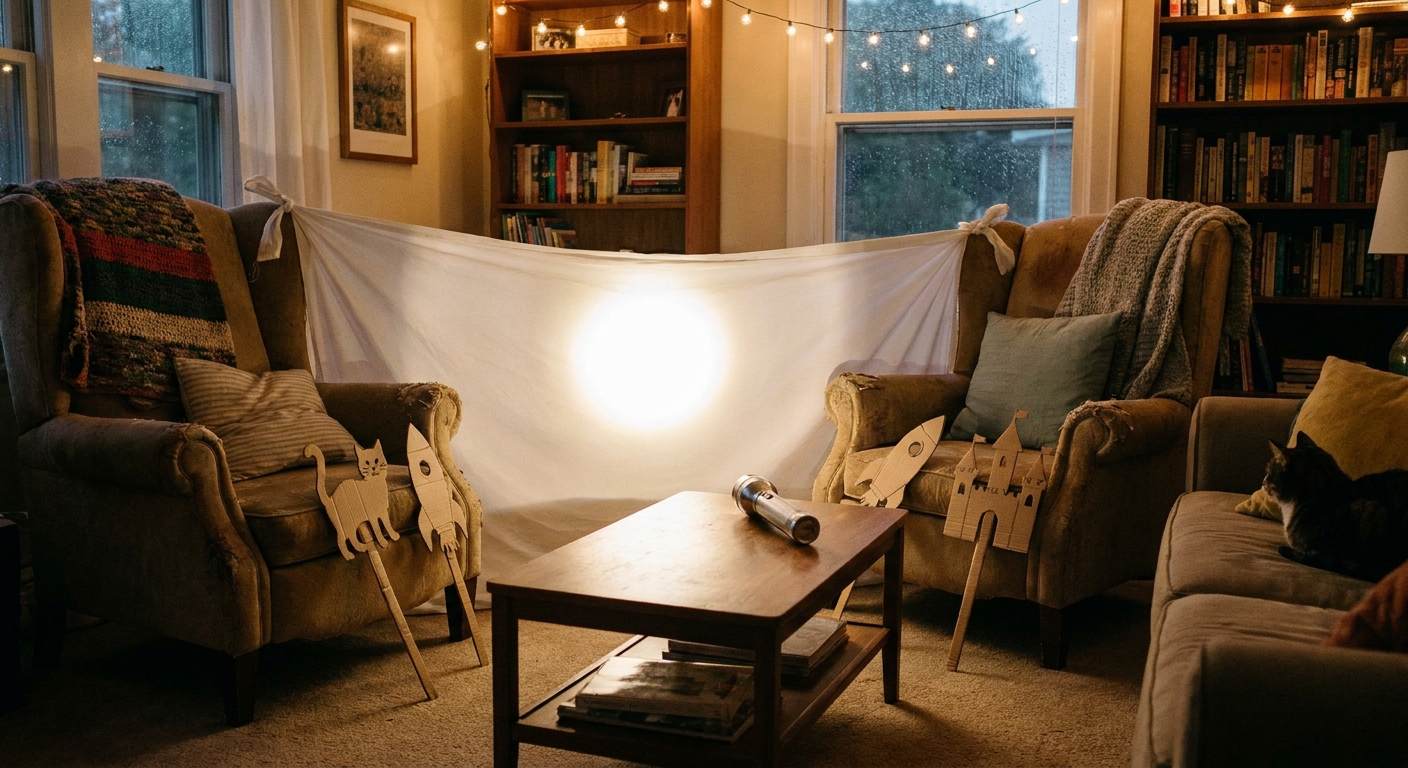
- A flashlight for “campfire reading” vibes
- A small basket for books and a water bottle
- A soft rug or extra blanket for the floor
Optional sensory-friendly items
- One heavier blanket for calming pressure (only if your child enjoys it and can move it independently)
- Headphones or a white noise machine outside the fort if the house is loud
- A fidget like a smooth stone or fabric scrap for busy hands

Pick the best spot (and make it feel safe)
Choose a location that makes you feel relaxed, not cramped. My favorite options:
- Between the couch and a chair: instant roof line, easy access for grownups.
- Over a small table: classic fort structure and very stable.
- At the foot of a bed: great if you want story time to drift toward bedtime.
Quick safety check: keep walkways clear, avoid blocking heating vents, and do not hang anything heavy above where heads will be. If you are using lights, keep cords tucked to the edge where feet will not tangle.
How to build a sturdy blanket fort (my go-to method)
This is the version I can set up fast even when everyone is already asking for the first book.
Step 1: Make two strong anchors
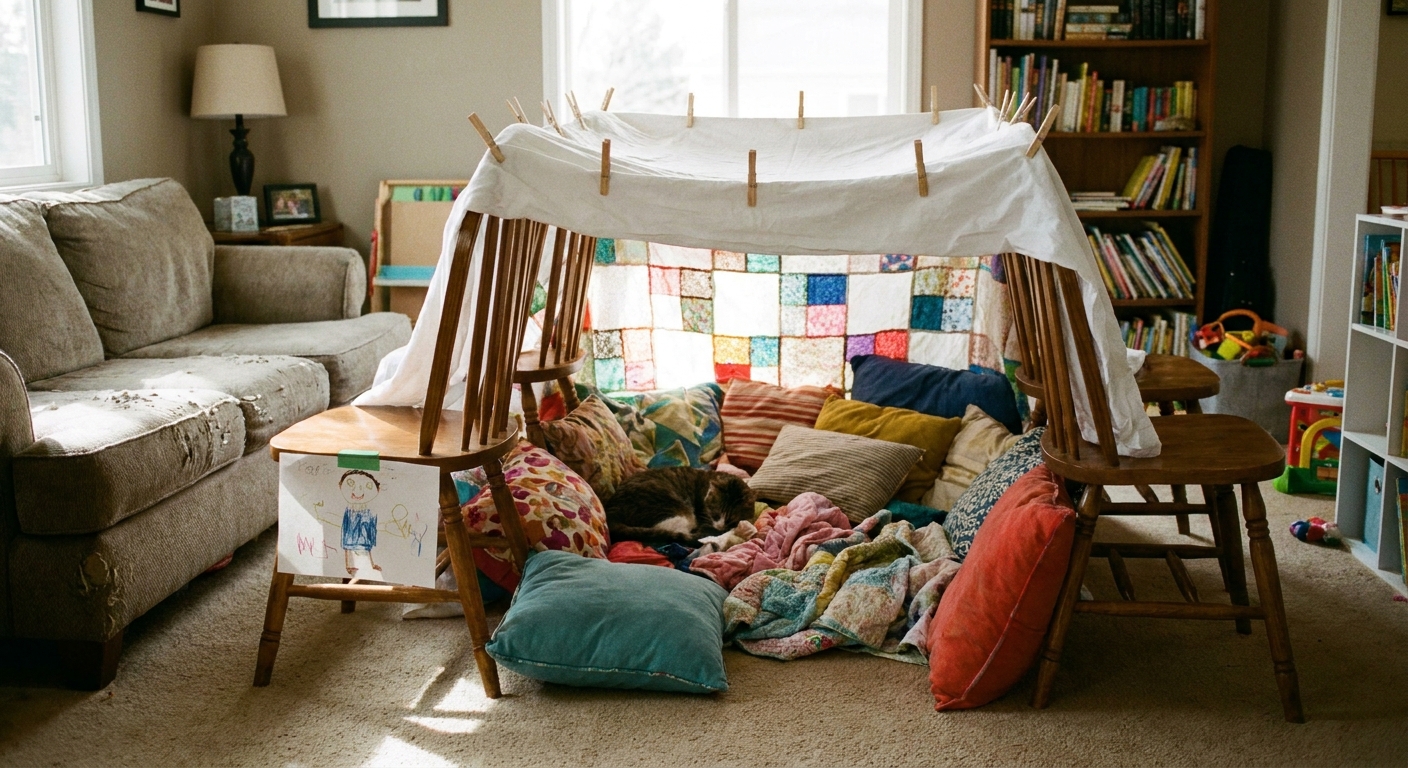
Set up two chairs facing each other about 3 to 5 feet apart, or use a couch and a chair. If you are using dining chairs, place them on a rug so they do not slide.
Step 2: Create the roof
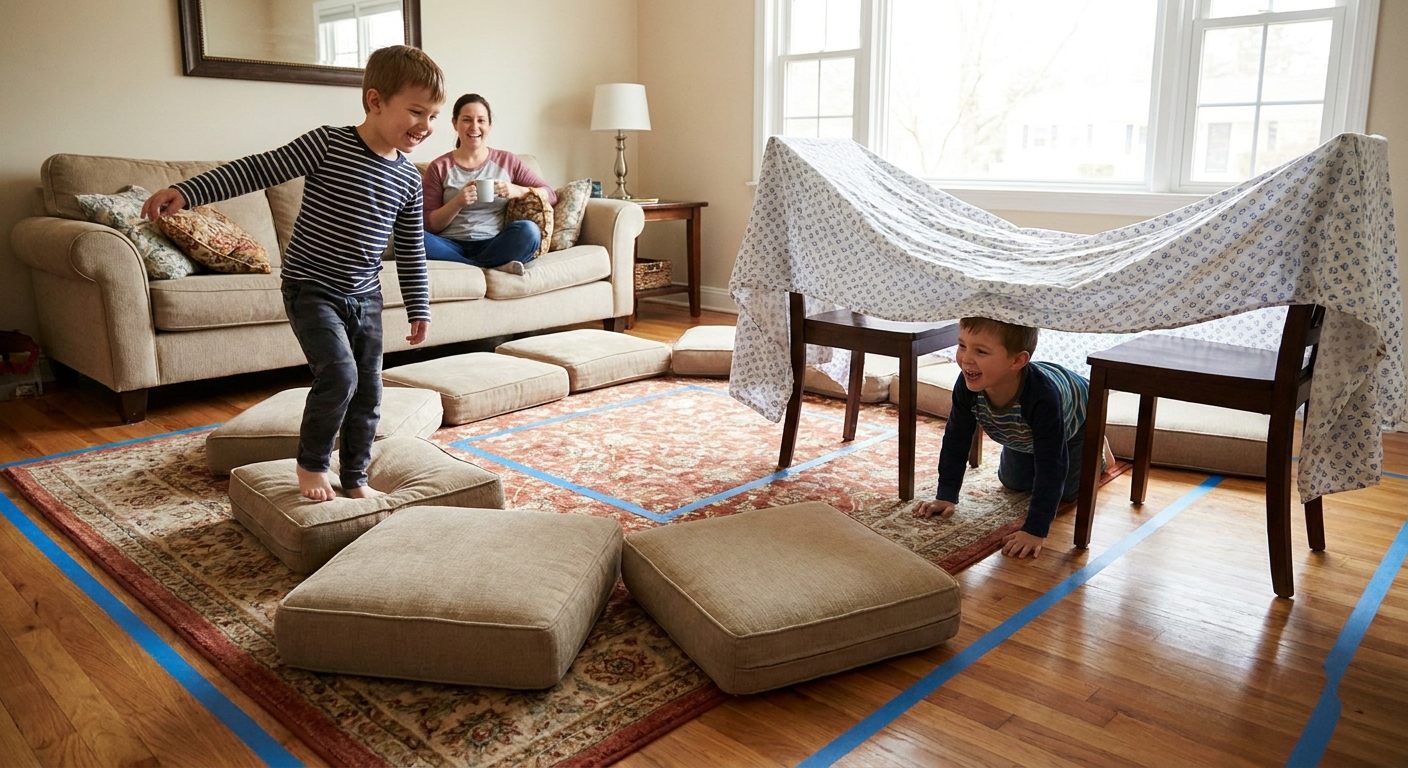
Drape a sheet or blanket over the anchors. Pull it forward until you have enough coverage to make a “front door” flap.
Clip tip: Clip the roof blanket to the chair backs so it does not slowly slither off mid-story.
Step 3: Build the walls
Add a second blanket on one side for a wall. If you only have one extra blanket, choose the side that faces the busiest part of the room. Blocking that visual motion helps kids settle.
Step 4: Make the floor cozy
Layer a blanket or rug underneath, then add pillows. I like one flatter pillow for book-holding elbows and one squishier pillow for leaning.
Step 5: Add the light
Drape fairy lights along the top edge of the roof, not directly overhead, so they are out of reach for little hands. Or place a flashlight in a corner and bounce the light off a pale pillow for softer glow.
Make it magical without making it complicated
The secret is choosing one tiny “special” element and repeating it each time. Kids love rituals.
Easy fort rituals that actually work
- The fort password: one silly phrase to enter, like “Page turn, please.”
- The opening song: a quick tidy-up transition song before building. If you need ideas, I keep a list of simple clean-up tunes in 8 Transition Songs for Tidy-Up Time.
- The same first book: start with a familiar short favorite to help everyone settle, then move to something longer.
- The closing routine: one deep breath together, then “Fort down, books up.”
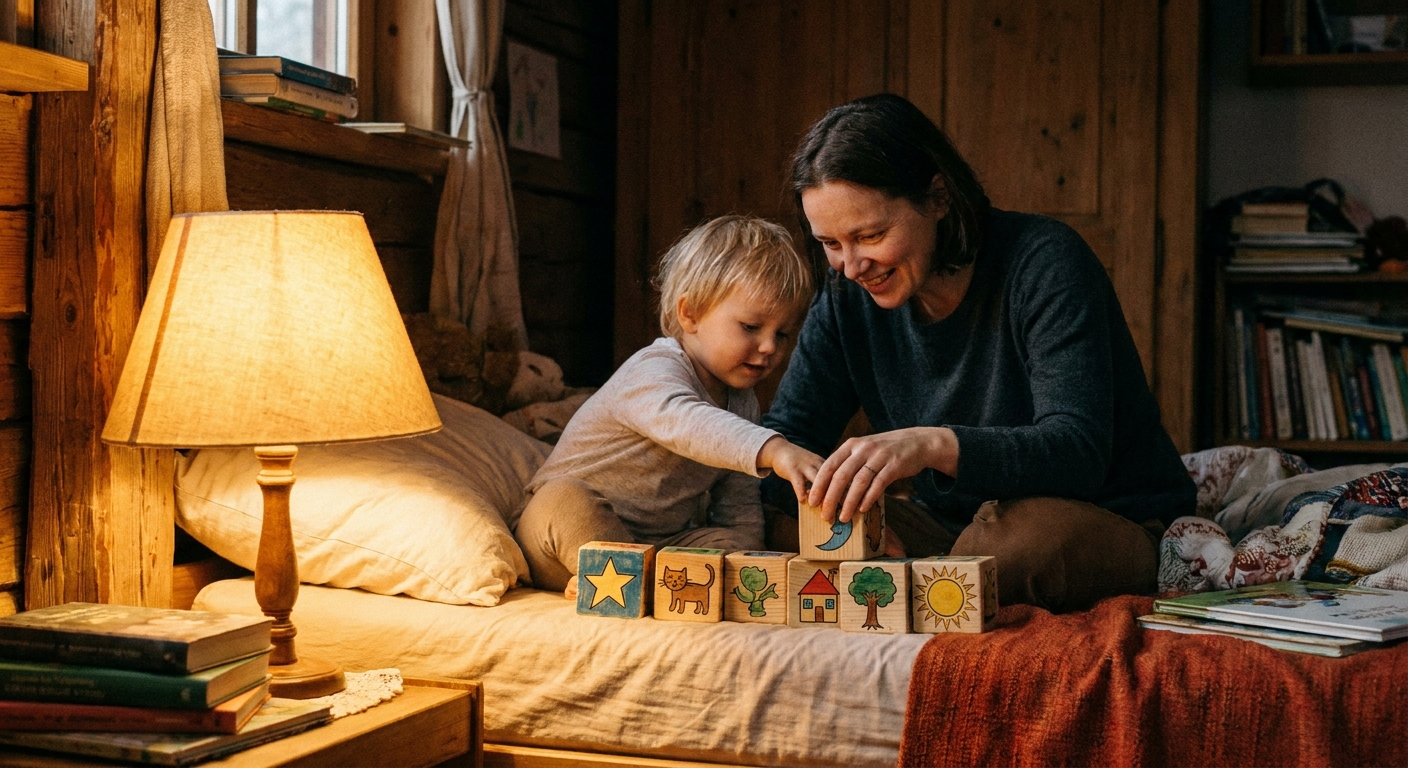
If your family loves mixing stories with hands-on play, you can keep a little basket of simple storytelling props nearby. I am especially fond of the tactile approach in DIY Storytelling Wooden Blocks for Bedtime Tales, because kids can build while they listen.
Sensory-friendly tweaks for different kids
Not every child loves the same kind of cozy. Here are gentle adjustments you can try.
If your child gets wiggly
- Give them a “job” like holding the flashlight or turning pages.
- Add a small fidget or textured fabric scrap.
- Try action breaks between books. A quick verse or two from 15 Classic Action Songs for Preschool Fine Motor Skills can reset focus without ending story time.
If your child is sensitive to light
- Skip fairy lights and use a single dim lamp outside the fort.
- Use a light-colored sheet so the fort does not feel too dark inside.
If your child is sensitive to sound
- Pick a quieter room and close the door if possible.
- Put a rolled towel at the door crack to soften hallway noise.
- Keep the fort small. Smaller spaces often feel calmer.
If your child does not like enclosed spaces
- Build a “reading canopy” instead: roof only, no walls.
- Leave a wide doorway and let them sit half-in, half-out.
Reading fort ideas by age
Toddlers (1 to 3)
- Keep it roomy and simple, with a wide entrance.
- Choose board books and sing-song stories.
- Add one sturdy pillow and one stuffed animal “listener.”
Preschoolers (3 to 5)
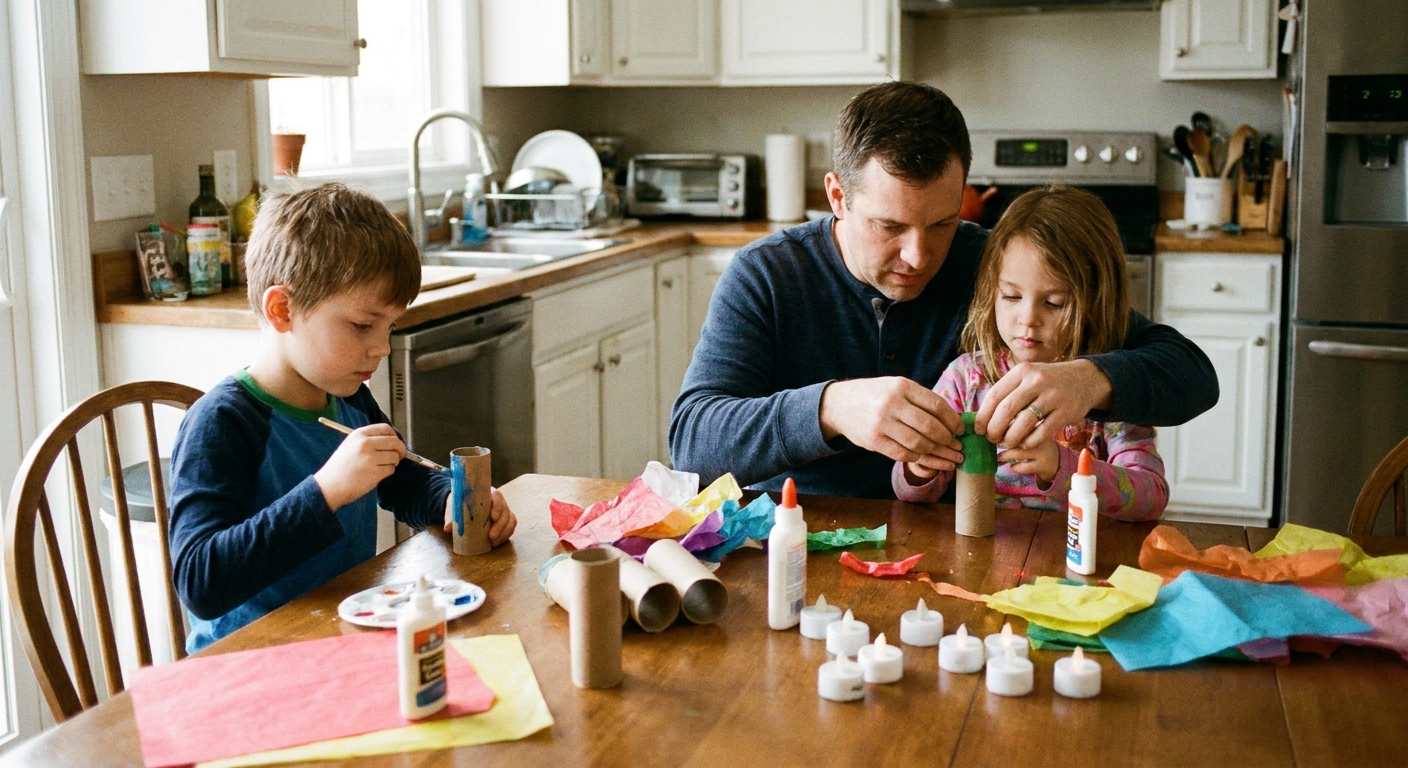
- Let them decorate with one safe item, like paper chain loops or a favorite blanket.
- Try call-and-response storytelling, where they fill in repeated phrases.
Big kids (6+)
- Add a “chapter book night” tradition with hot cocoa or herbal tea for grownups and warm milk for kids.
- Give them a flashlight each and let them take turns reading a page.
Keep it tidy with a two-minute teardown
I love a fort, but I love not stepping on clips even more. Here is my quick reset:
- Books first: stack them in a basket or on a shelf.
- Lights off and gathered: coil them loosely so they do not tangle.
- Pillows back to base: couch or bed, whichever is closest.
- Blankets last: fold into thirds, then roll. Rolling is faster than perfect folding and still looks neat.
If your kids want to keep the fort up for the weekend, you can designate it as a “quiet corner” and simply re-fluff the pillows after meals.
Troubleshooting (because blankets have opinions)
The roof keeps sliding down
- Use more clips, especially at corners.
- Switch to a sheet for the roof and save heavier blankets for the walls.
- Lower the roof line by moving chairs closer together.
It feels too hot inside
- Use a sheet instead of a fleece blanket.
- Open one wall like a curtain for airflow.
Kids are fighting over space
- Give everyone a “spot pillow.”
- Build two mini forts instead of one big one if you have enough blankets.
A sweet way to end story time
When we finish the last page, I like to ask one tiny question that does not feel like homework: “What part would you keep in your pocket if you could?” You will get answers like “the dragon’s sneeze” and “the pancake castle,” and you will also get a little glimpse into what your child noticed most.
If you want to stretch the magic into the next day, make a simple craft or prop inspired by the story. A small scene-building activity like Make a Paper Song Scene can turn one book into an entire afternoon of play.