
In my childhood home, we sang through everything. Sweeping, sorting socks, buttering toast, you name it. Now that I have three kids of my own, I can tell you this with my whole heart: the classic ABC song is wonderful, but it is not the only doorway into letters and numbers.
Sometimes your toddler needs a different beat, a sillier hook, or a song that lets them do something with their hands while their brain quietly files away new skills. So here are my favorite catchy counting and alphabet songs that go beyond the traditional ABCs, plus little ways to make each one interactive at the kitchen table, in the car, or during cleanup.
Before you sing
If you want these songs to actually stick, keep the first round short and happy.
- Pick one target. Today is letters, or today is counting, not both.
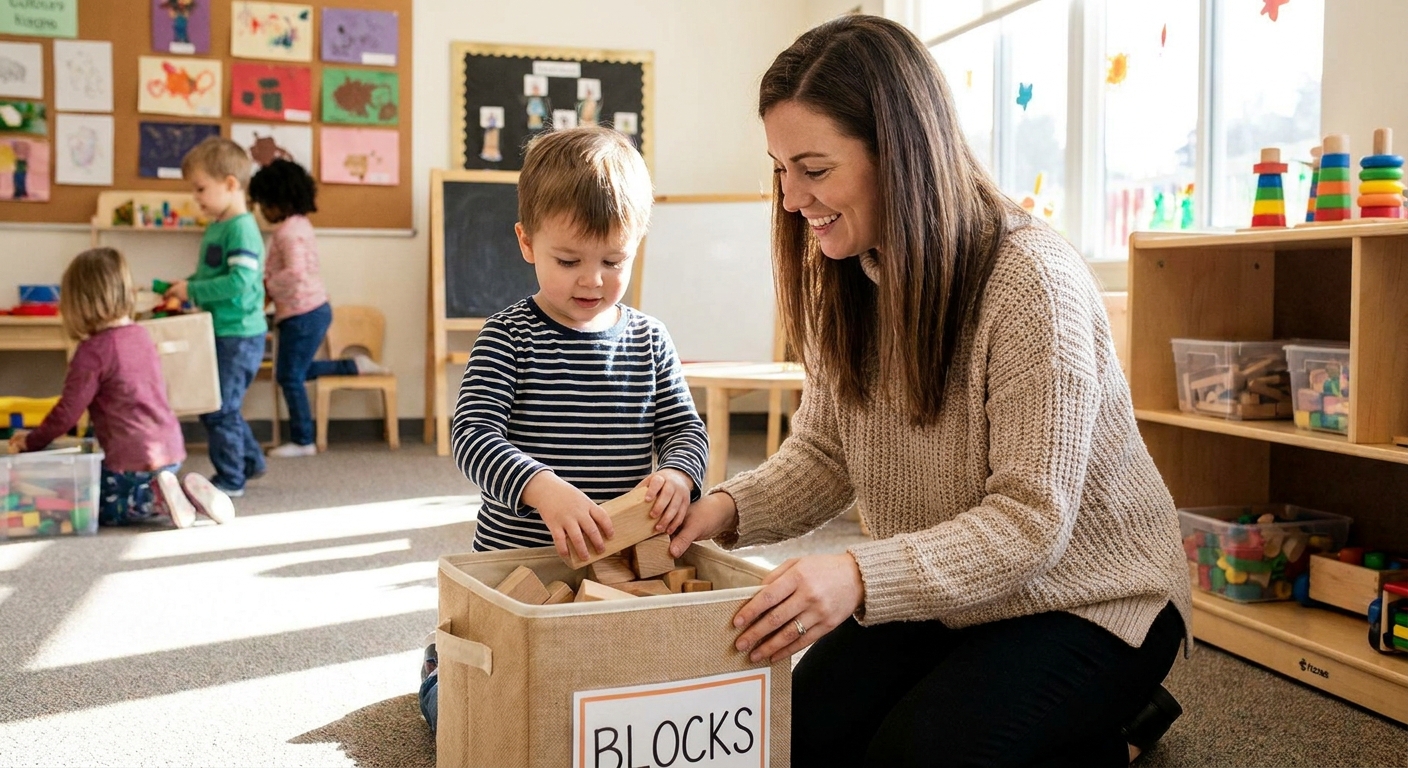
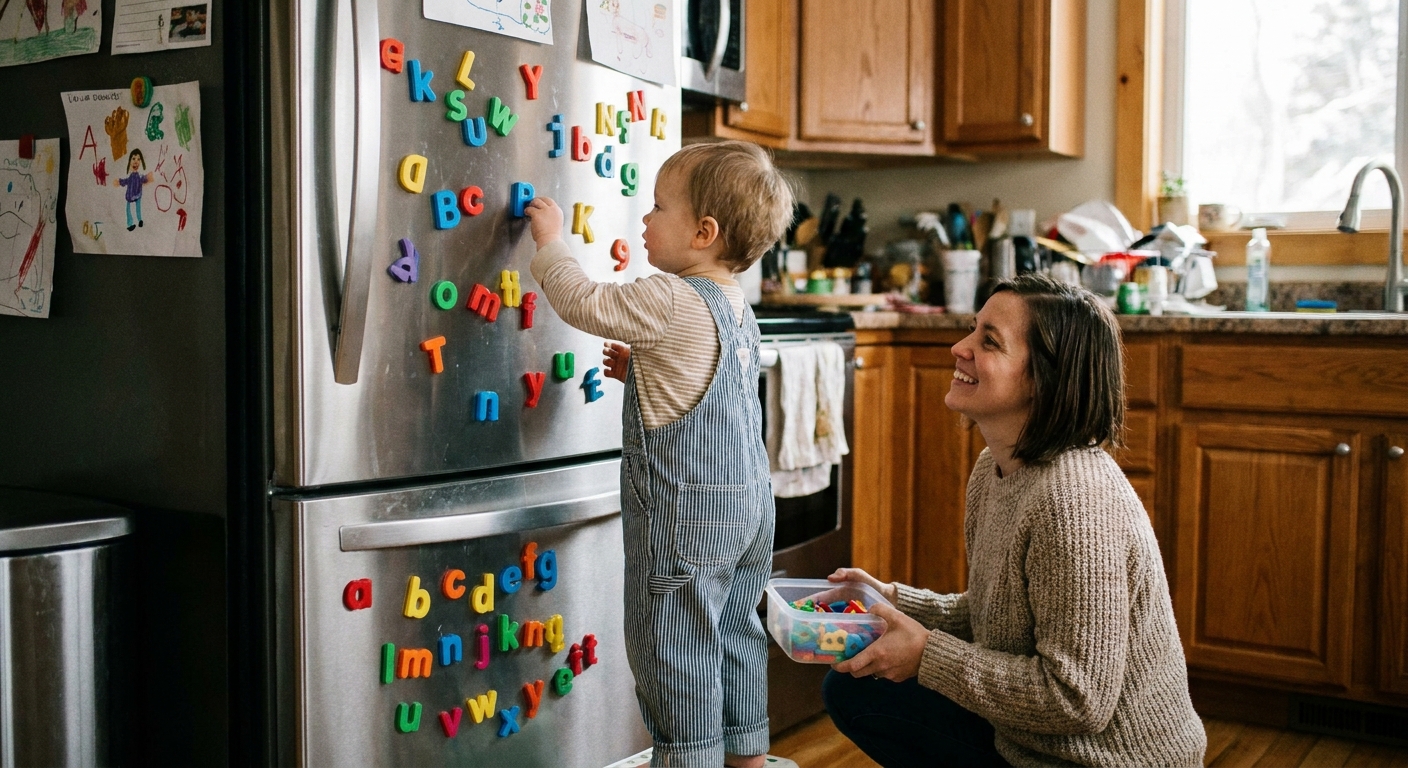
- Use a prop. A basket of blocks, a cookie sheet with magnetic letters, or your child’s favorite stuffy works wonders.
- Repeat the chorus. Toddlers learn through repetition, and they love being able to predict what comes next.
- Let them mess it up. If they shout the wrong number or the silliest sound ever, you are doing it right.
If you want even more ideas for building a daily singing habit, pop over to our Kids Songs guide. I keep it stocked with easy ways to fit music into real family life.
Alphabet songs and chants
A quick note: a few of these are classic, well-known songs, and a few are simple little chants you can make up on the spot. Both count. In my house, the made-up ones are often the biggest hit.
1) Make-it-up: Alphabet Sounds Chant
What it teaches: Phonics basics, the sound a letter makes.
How to do it: Go letter by letter, but instead of “A, B, C,” you sing the sound with a motion:
- “A says /a/ /a/ /a/” (tap your tummy like a tiny drum)
- “B says /b/ /b/ /b/” (bounce your fists like bunny hops)
Try this: Hold up an object for a few letters (apple, ball, cat). If you do not have objects handy, point around the room and hunt for something that starts with that sound.
2) Make-it-up: Letter Sound Freeze
What it teaches: Listening, sound recognition, and turn-taking.
How to sing it as a game: Sing a simple beat: “/m/ /m/ /m/ … freeze!” Everyone freezes. Then call out three choices: “Does /m/ go with moon, sun, or fish?”
Try this: Let your child be the caller even if they are delightfully chaotic at first. Toddlers love being the boss of the song.
3) Make-it-up: The Sneaky Letters
What it teaches: Lowercase recognition, which often can be trickier than uppercase.
How to sing it: To any familiar tune, sing: “Little letters, little letters, hiding in a row. Point to one, point to one, show me where they go!”
Try this: Write 5 to 8 lowercase letters on a piece of paper, or use magnetic letters. Ask for just one or two: “Can you find m? Can you find a?” Keep it breezy.
4) Make-it-up: Alphabet Mix-Up
What it teaches: Flexible letter knowledge, not just memorized order.
How to do it: Choose 5 letters and sing them in a silly order, then repeat. Example: “S, A, T, M, P” (great for early phonics patterns later).
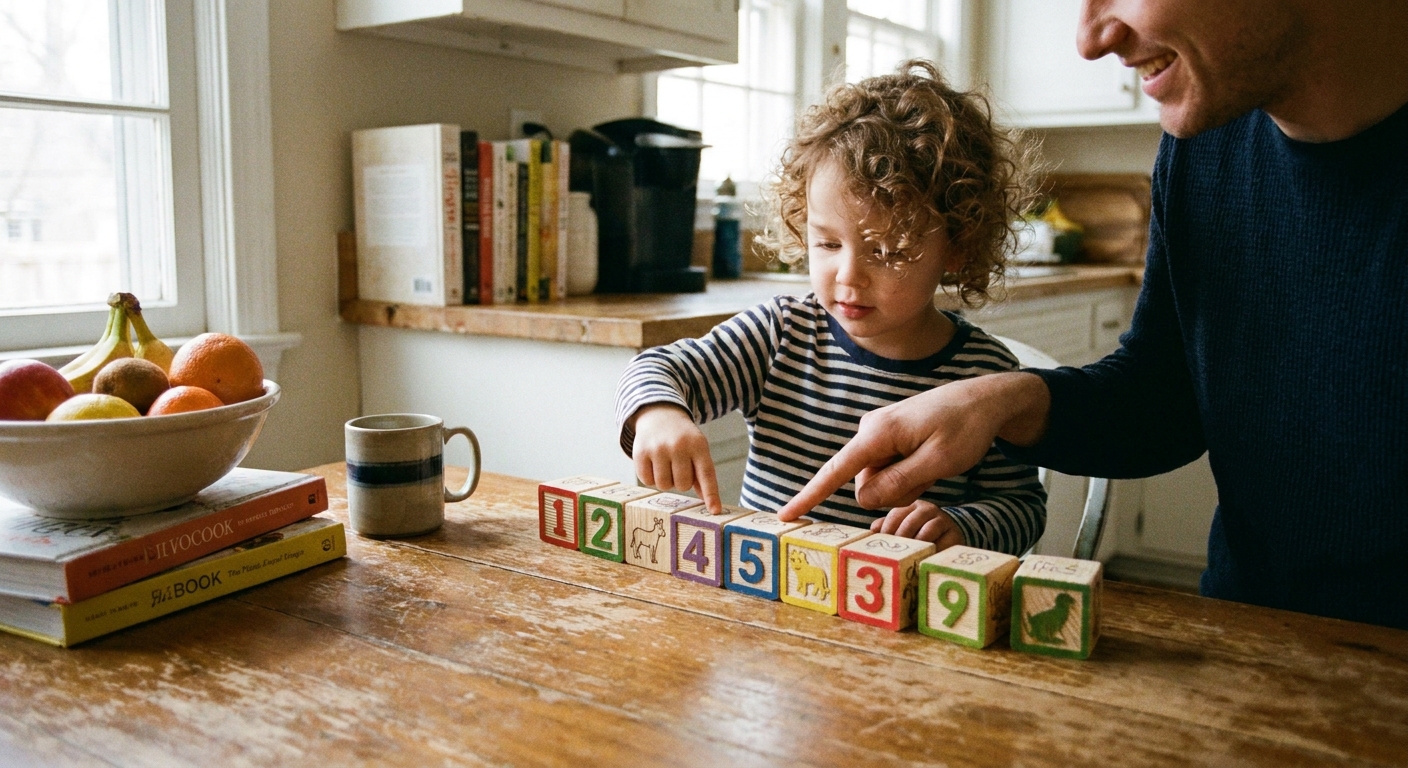
Try this: Place those 5 letters in a line. As you sing, your child touches each letter. Touching while singing helps many kids focus.
5) Make-it-up: Vowel Power Song
What it teaches: The five vowel names and their short sounds.
How to sing it: “A-E-I-O-U, vowels help words say woohoo!” Then give each one a short sound: “A says /a/ like apple …”
Try this: Make five “vowel houses” on the table using sticky notes. Toss small items (button, block, pom-pom) into the house you are singing. If you have a younger toddler who still mouths everything, swap the tiny pieces for larger, safer items (like big blocks or toy cars).
Counting songs
6) Five Little Ducks
What it teaches: Counting backward, one less, and “how many left?”
Why I love it: It is math wrapped in a story, and story is a toddler’s favorite delivery system.
Try this: Use five fingers, five crackers, or five tiny toy animals. Each verse, remove one. At the end, bring them all back and celebrate.
7) Ten in the Bed
What it teaches: Counting down from 10, taking away one at a time.
Try this: Line up 10 stuffed animals on a pillow bed. Each time one rolls out, your child gently scoots it off. Toddlers take this job very seriously.
8) One, Two, Buckle My Shoe
What it teaches: Number order, plus early pairing patterns (shoe, door, hive).
Try this: Add motions for each pair. Buckle, knock, pretend to pick up sticks, make a beehive with your hands. Movements help kids remember what comes next.
9) Make-it-up: Counting by Twos March
What it teaches: Grouping, early skip counting.
How to sing it: Chant and stomp: “2, 4, 6, 8, we are marching, feeling great!” If your toddler is new to it, try stopping at 10 or 12 so it stays fun.
Try this: Pair up socks from the laundry basket. Each pair gets the next number. This is one of my favorite sneaky chore songs.
10) Make-it-up: Clap and Count
What it teaches: Matching one action to one number, a big early math milestone.
How to sing it: “Let’s clap 1, 2, 3” then you clap exactly three times. Repeat with stomps, jumps, or drum taps.
Try this: Let your child choose the action: clap, hop, tap the table, boop a teddy’s nose.
Mix letters and math
11) Make-it-up: Letter of the Day Counting
What it teaches: Letter recognition, counting sets.
How it works: Pick a letter and count how many times you can find it together.
- On a cereal box: “Let’s find 3 Bs!”
- On a street sign: “I spy one S!”
Try this: Your toddler points, you count out loud. If they want to count too, even better. If they skip numbers, keep going calmly. The joy matters more than perfection.
12) Make-it-up: Sound Sorting Song
What it teaches: Beginning sounds and grouping, which is early classification math.
How to sing it: “/t/ things here, /b/ things there, we are sorting everywhere!”
Try this: Use toy bins or two bowls. Toss in objects that start with your chosen sounds (or just pretend with toys).
Make it fit your kid
If you want a quick age guide, here is what tends to work in real life.
- Younger toddlers: Do 3 letters or 3 numbers, then stop while it is still fun.
- Older toddlers and preschoolers: Stretch it out. Add a challenge like “Can you find two things that start with /b/?” or “Can we count down from 5 without peeking at our fingers?”
When my kids were little, the secret ingredient was always the same: give the song a job. Songs work best when they are attached to something your child already does every day.
- Morning: counting toothbrush wiggles, letter of the day on the fridge
- Cleanup: sound sorting (blocks that start with /b/ go “beep beep” into the basket)
- Bedtime wind-down: gentle counting down from 10 with slow breaths
If mornings are your tricky spot, you might like 10 upbeat morning songs to speed up your toddler’s routine. It is very much written from the perspective of a parent trying to get shoes on without losing their mind.
Keep it pressure-free
Some toddlers love performing. Some toddlers hear “Let’s learn letters!” and instantly become a sleepy noodle on the floor. If that is your child, you are not alone.
- Keep it under 2 minutes. End the song while they still want more.
- Follow their lead. If they only want to sing “B says /b/” fifty times, congratulations, you did phonics today.
- Use comfort songs when needed. A calm body learns more easily than a stressed one.
For gentle, cozy options, visit The science of lullabies: 7 calming bedtime songs to help babies sleep. Even older toddlers often settle beautifully with that softer rhythm.
Quick FAQ
Is it bad if my toddler only knows the ABCs as one long song?
Not bad at all. It is a normal first step. These alternative songs help your child learn that letters are individual friends, each with a name and a sound, not just one speedy chant.
When should we start letter sounds?
If your child enjoys it, you can start very early with just a few sounds tied to real objects (like /m/ for milk). Keep it playful and stop before anyone gets frustrated.
How often should we sing learning songs?
A tiny daily habit beats a long weekly session. One song while washing hands counts. Two verses in the car counts. It all counts.
What if my child mispronounces sounds?
Model it back cheerfully and move on. Clear speech and sound production develop over time, and most kids benefit more from repeated exposure than from lots of correction. If you are ever worried about hearing, speech clarity, or a bigger delay, it is worth checking in with your pediatrician or a speech-language pathologist for reassurance and next steps.
One last prompt
Pick just one song from this list and try it for three days in a row, at the same time of day. Then watch what your child starts doing on their own. A little hum while stacking blocks. A tiny whisper of “two, four, six” while you fold socks. That is the real magic. The song leaves your mouth and moves into their play.
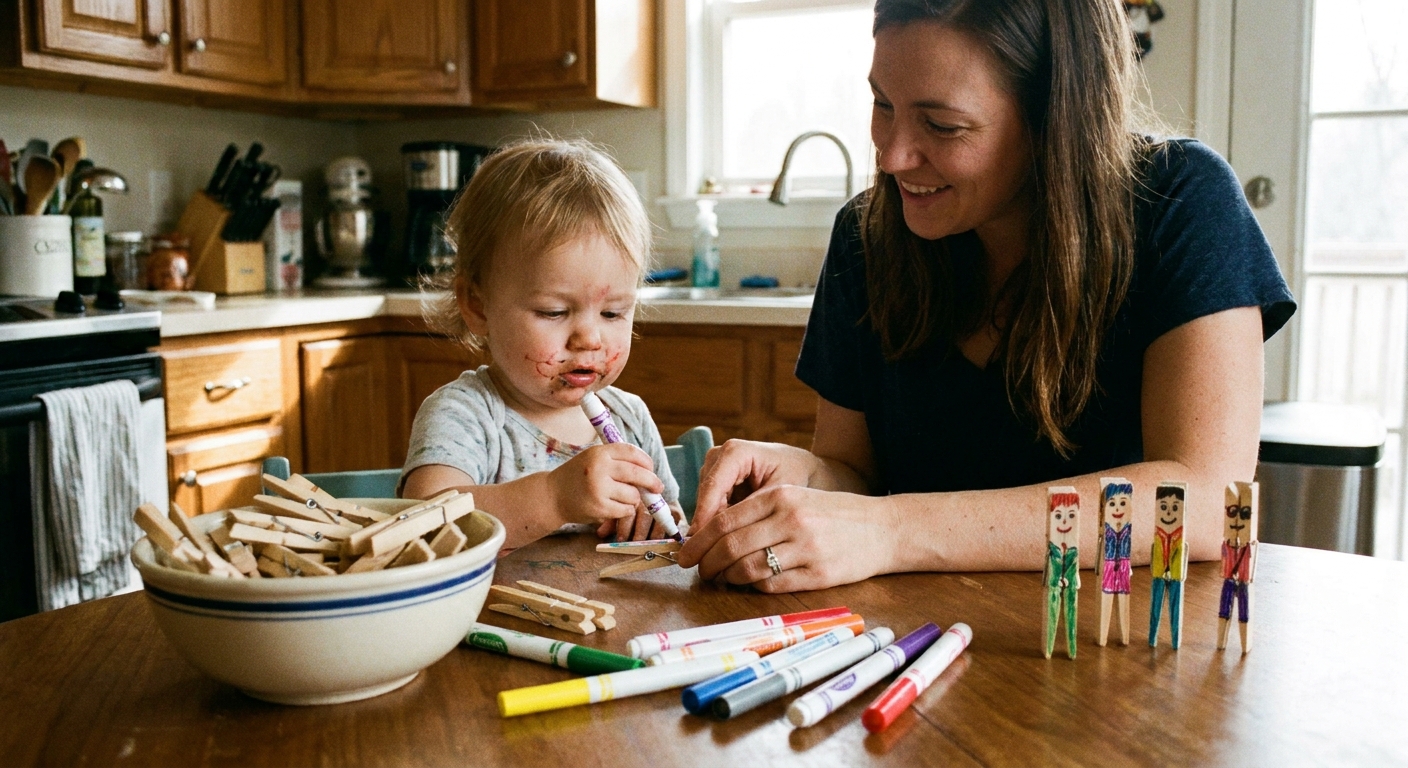
If you want another hands-on way to connect music and making, make a paper song scene with your child and let them perform the song using paper characters. It is wonderfully simple and beautifully messy.