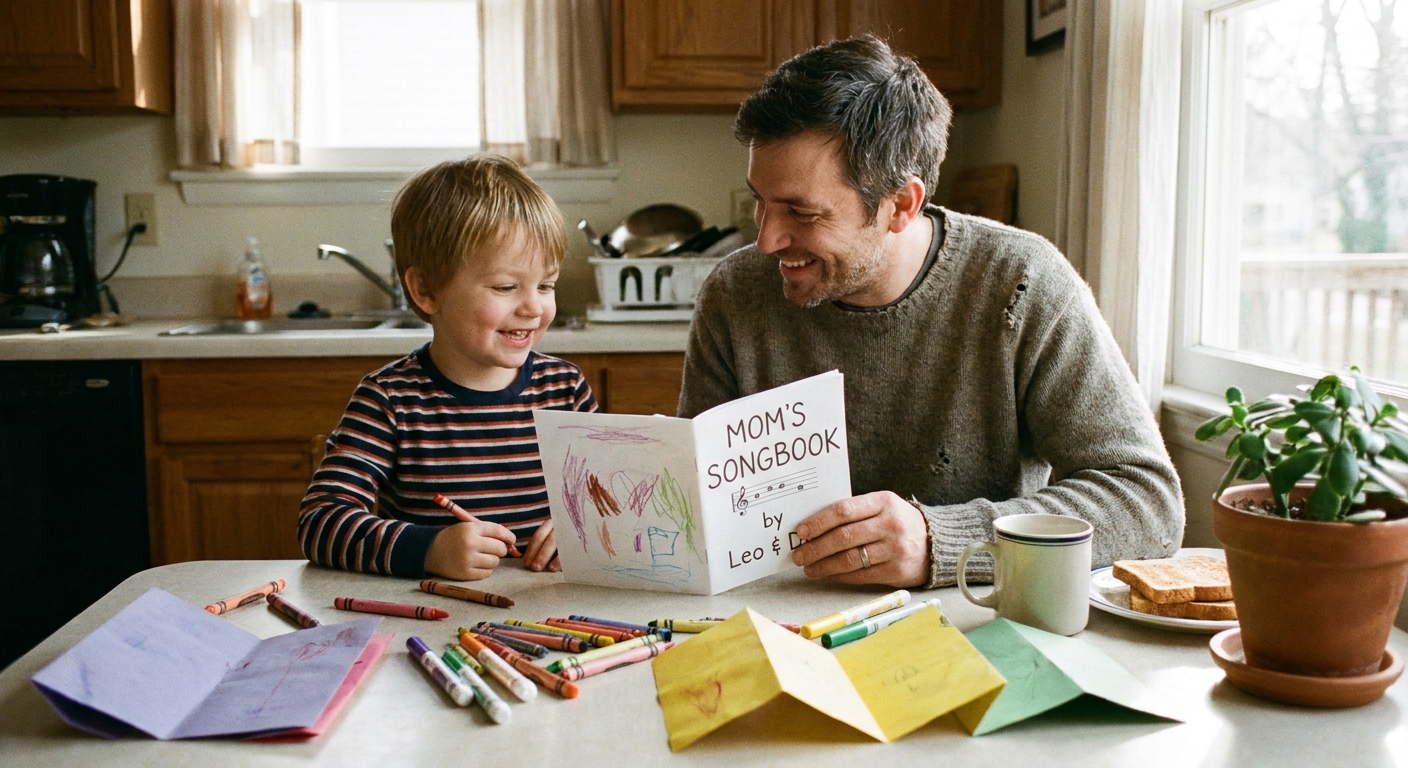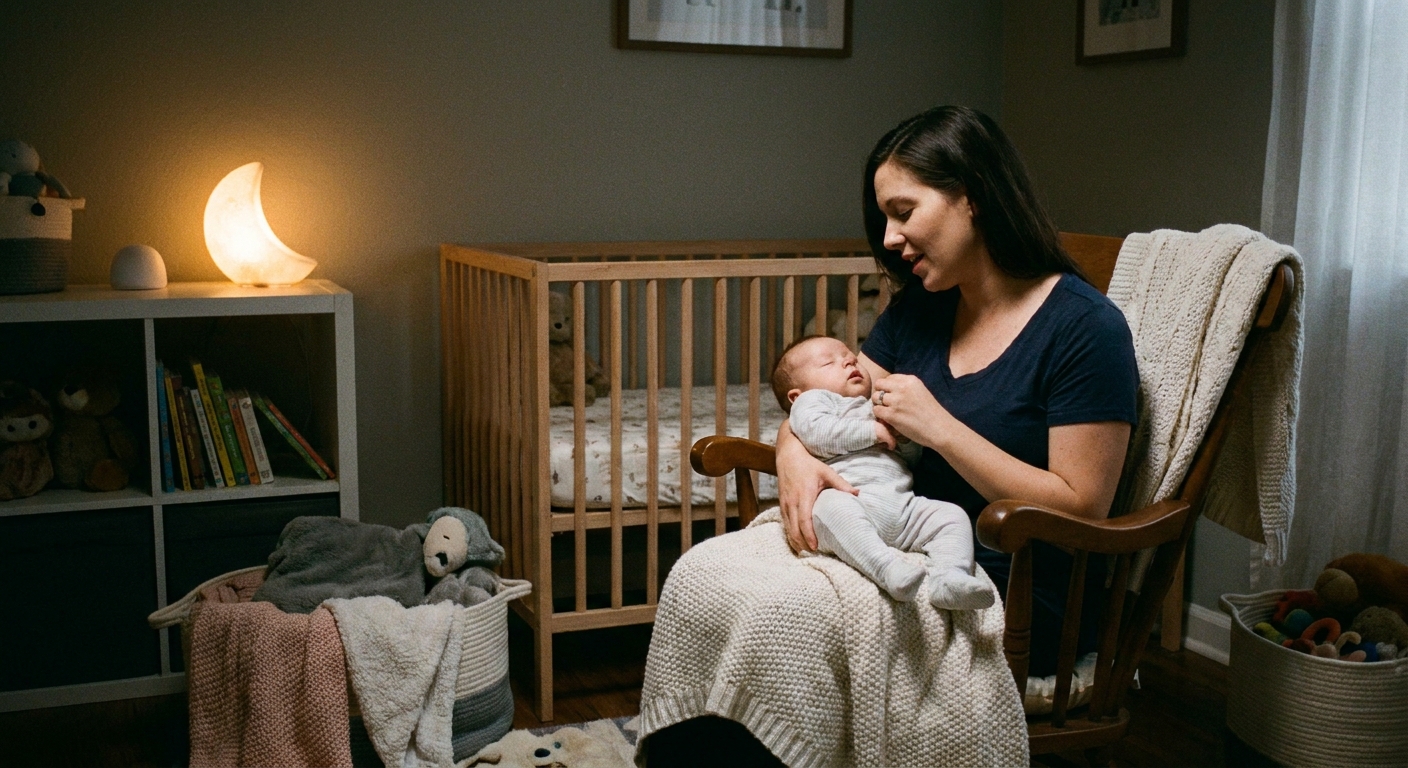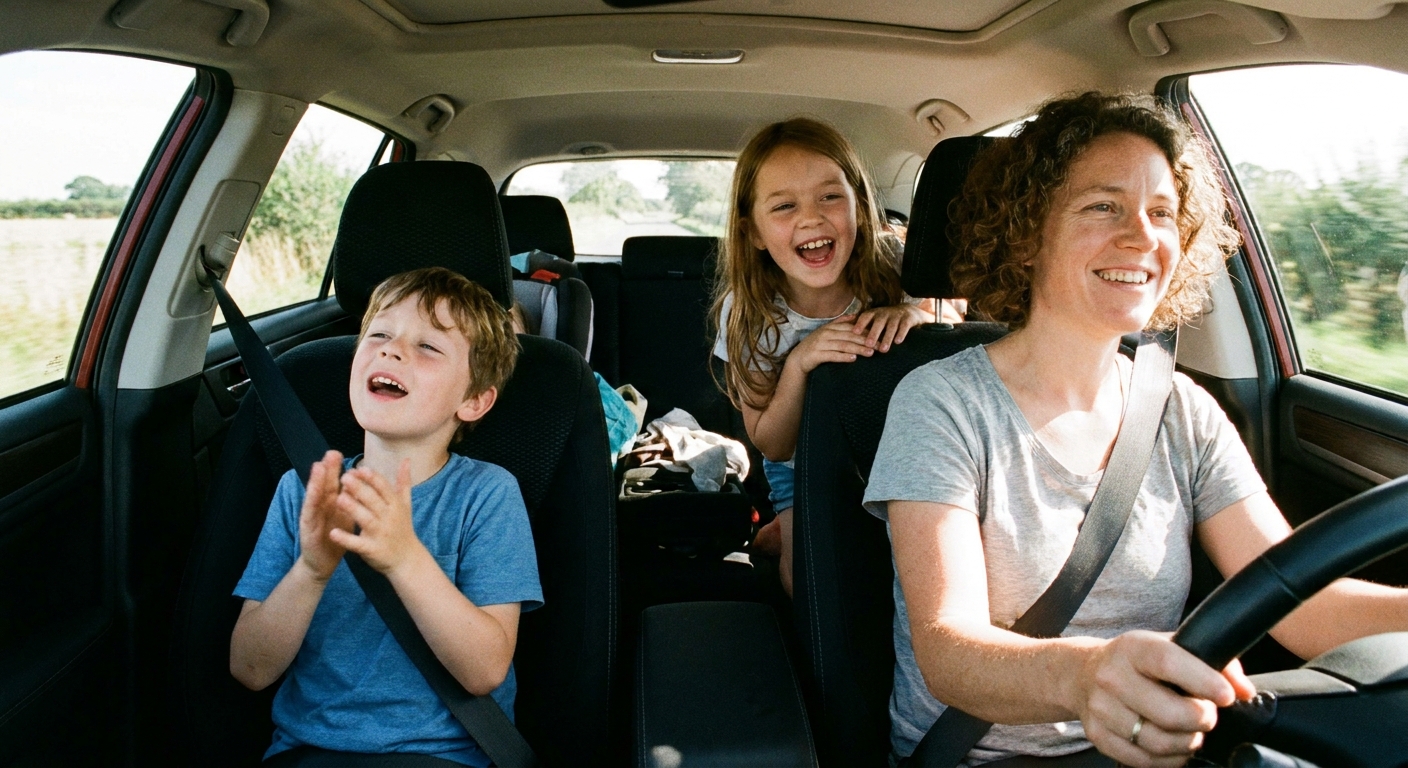

At my house, songs are like breadcrumbs. They lead us through toothbrushing, lost shoes, late-night worries, and that tiny, miraculous moment when everyone is finally in bed. We have our classics, of course, but the songs I treasure most are the ones that only exist in our family. The made-up lullaby that accidentally calms a toddler. The “clean-up song” that started as a joke and somehow became law.
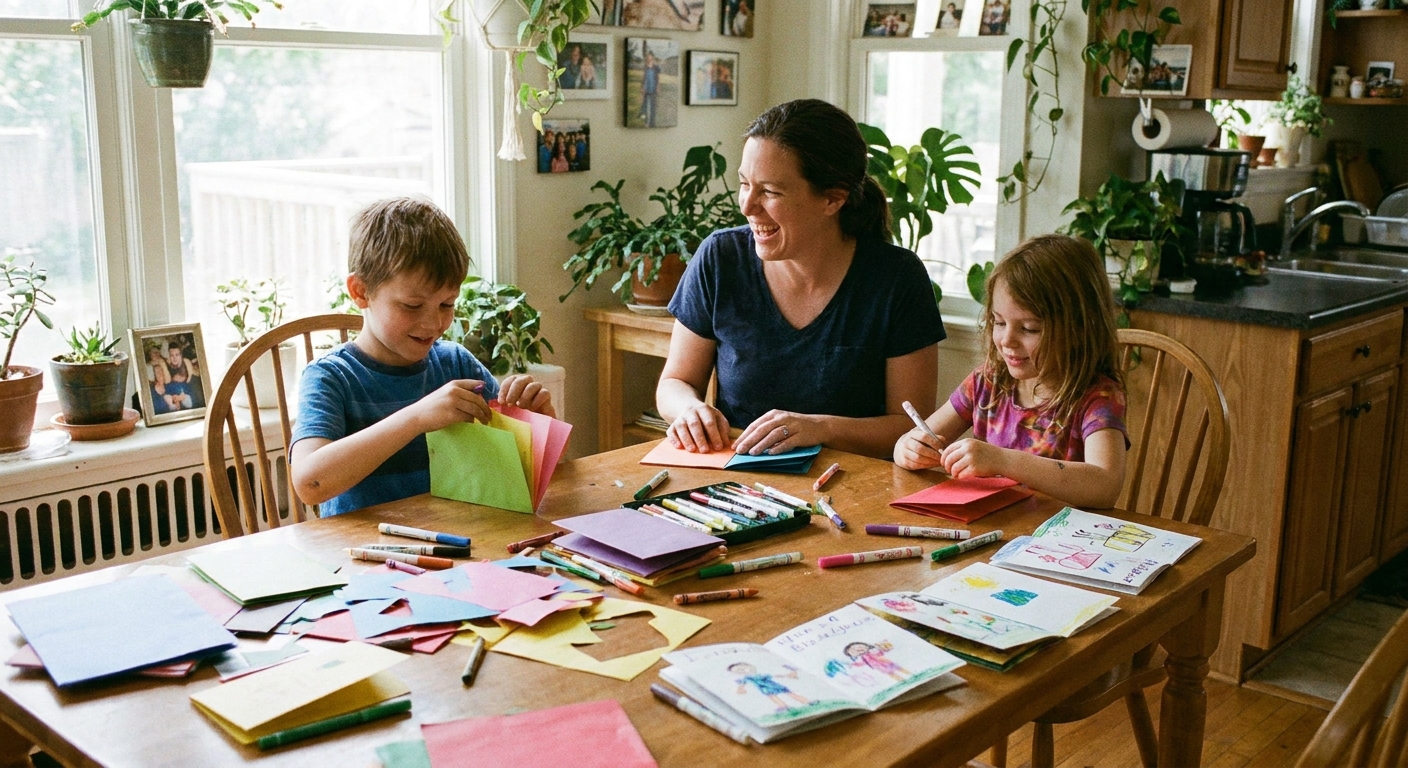
This is a step-by-step way to gather those little musical moments into one sturdy, scribble-friendly book your kids can help build and illustrate. No fancy binding tools required. Just paper, a little patience, and the kind of creativity that shows up when you give a child permission to make a glorious mess.
What makes a great family songbook
A family songbook is not a performance piece. It is a living, slightly crumpled, well-loved object. The best ones are designed for real life, which means they are:
- Easy to update when a new “hit single” appears at bath time.
- Forgiving when kids draw over the words or change a lyric mid-song.
- Made for participation, not perfection.
Think “cozy campfire notebook,” not “hardcover keepsake you are afraid to touch.”
Supplies (choose your level of fancy)
The simplest version
- 8 to 16 sheets of printer paper
- 1 sheet of cardstock or a cereal-box panel for the cover
- Stapler
- Markers, crayons, or colored pencils
- Tape (helpful, not required)
A sturdier version (still very kid-friendly)
- Cardstock for inside pages (or half printer paper, half cardstock)
- Washi tape or masking tape
- Glue stick
- Stickers, scrap paper, or old wrapping paper for collages
- Ribbon or yarn (if you want a tie closure)
My craft-table rule: pick supplies you will not panic about. If glitter makes you tense, skip it. Your calm is part of the project.
Step 1: Collect your songs (without turning it into homework)
Before you make the book, gather the songs. Keep it light. Two or three is plenty to start.
Easy ways to “capture” your family songs
- Listen for repeats. If you sing it three nights in a row, it belongs in the book.
- Ask one gentle question at a time. “What is our silliest song?” “What song helps you feel brave?”
- Write rough lyrics in your phone right after bedtime while it is still fresh.
- Borrow familiar tunes. Many made-up family songs are new words on an old melody. That is wonderful and very normal.
If you want lullaby inspiration, you might like The Science of Lullabies: 7 Calming Bedtime Songs to Help Babies Sleep. It is full of the kind of gentle rhythms that make great “base tunes” for personalized lyrics.
Step 2: Plan your pages (the kid-proof way)
Here is the trick that keeps songbooks usable: give every song room to breathe.
A simple page recipe
- Left page: lyrics (big writing, wide spacing)
- Right page: kid art (full-page drawing)
This keeps little hands from coloring directly on top of the words and it also makes the book feel like a story.
Make it readable for pre-readers
- Write in thick marker if you can.
- Use short lines, like a poem.
- Circle repeating words (like “la la la” or “goodnight”) so kids can spot them.
- Add a tiny doodle next to key words (moon, cat, toothbrush) so they can “read” with you.
Step 3: Bind your book (three easy options)
Pick the method that matches your supplies and your kids’ ages.
Option A: The staple-and-fold booklet (fastest)
This is my go-to when a child is excited and I want success in under 20 minutes.
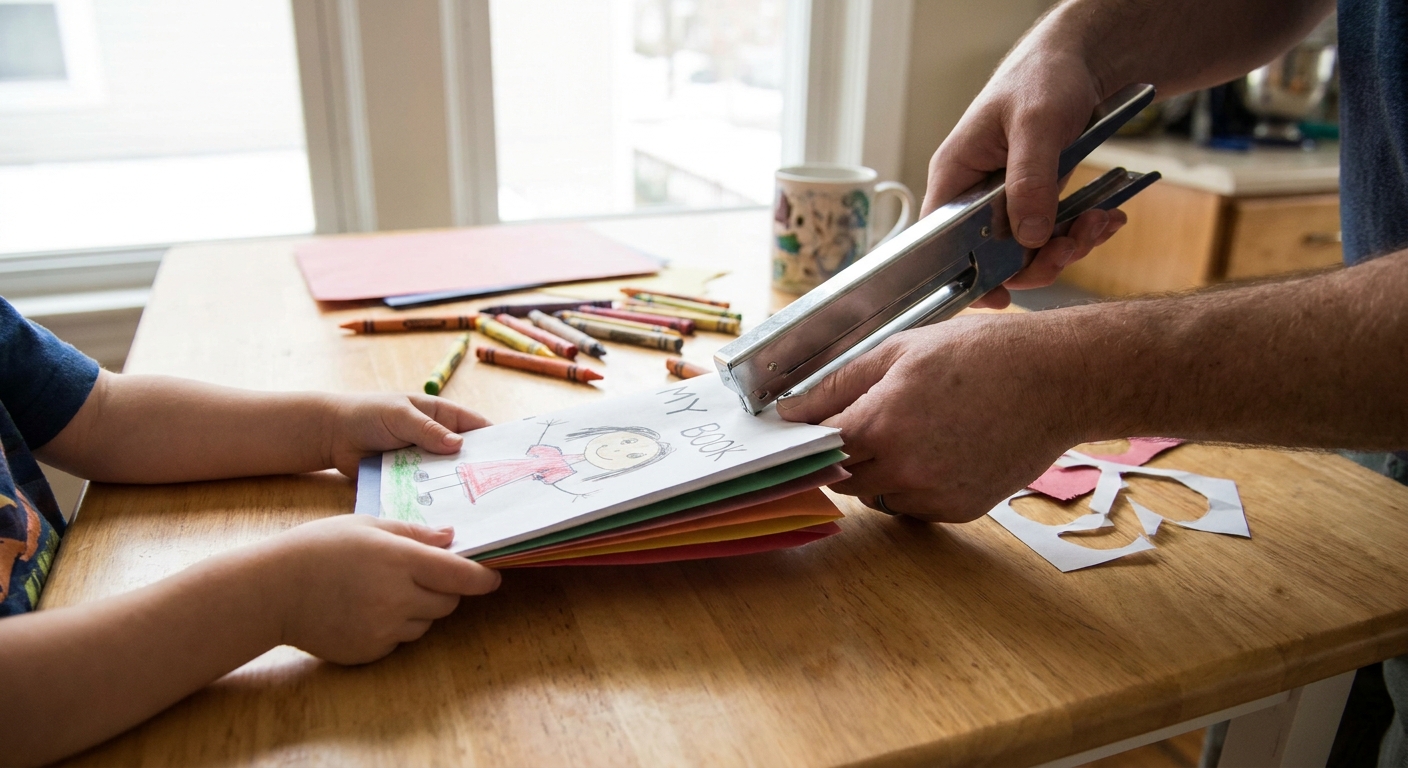
- Stack your pages (8 to 12 sheets is a great start).
- Fold the stack in half like a card. Press the crease with your fingernail or a spoon.
- Add a cover by folding cardstock around the outside.
- Staple on the fold with 2 to 3 staples spaced out. If your stapler will not reach, open it flat and staple carefully onto a soft surface like a thick magazine, then fold the staple legs down on the inside.
Kid job: folding pages, choosing the cover color, decorating the front.
Option B: The hole-punch and ribbon book (great for adding pages)
- Stack pages and cover, aligned.
- Punch 2 or 3 holes along the left edge.
- Thread ribbon or yarn through the holes and tie in bows.
Why I like it: you can slide in new songs later without rebuilding the whole book.
Option C: The tape-spine book (surprisingly sturdy)
- Stack pages (do not fold).
- Clamp the left edge under a heavy book to keep it neat.
- Run a strip of strong tape along the left edge, half on the front, half on the back.
- Add a second strip to reinforce, then press firmly.
Tip: masking tape takes markers well, so kids can decorate the “spine.”
Step 4: Write the lyrics so kids can help
If you write every word perfectly and hand the book over like a museum piece, kids will treat it like one. Instead, invite them into the making.
My favorite ways to involve kids in the words
- Call-and-repeat writing: you say a line, they echo it, you write it down.
- Fill-in-the-blank lyrics: leave one silly word open and let them choose it. (This is how “sleep tight little broccoli” was born at our house.)
- Highlight the chorus: draw a big bubble around the repeat section so they know when to jump in.
If your family loves interactive songs, you might enjoy borrowing the back-and-forth feel from 20 Call-and-Response Songs for Road Trips and turning one into a personalized “We are almost home” family anthem.
Step 5: Let your kids illustrate (without directing every stroke)
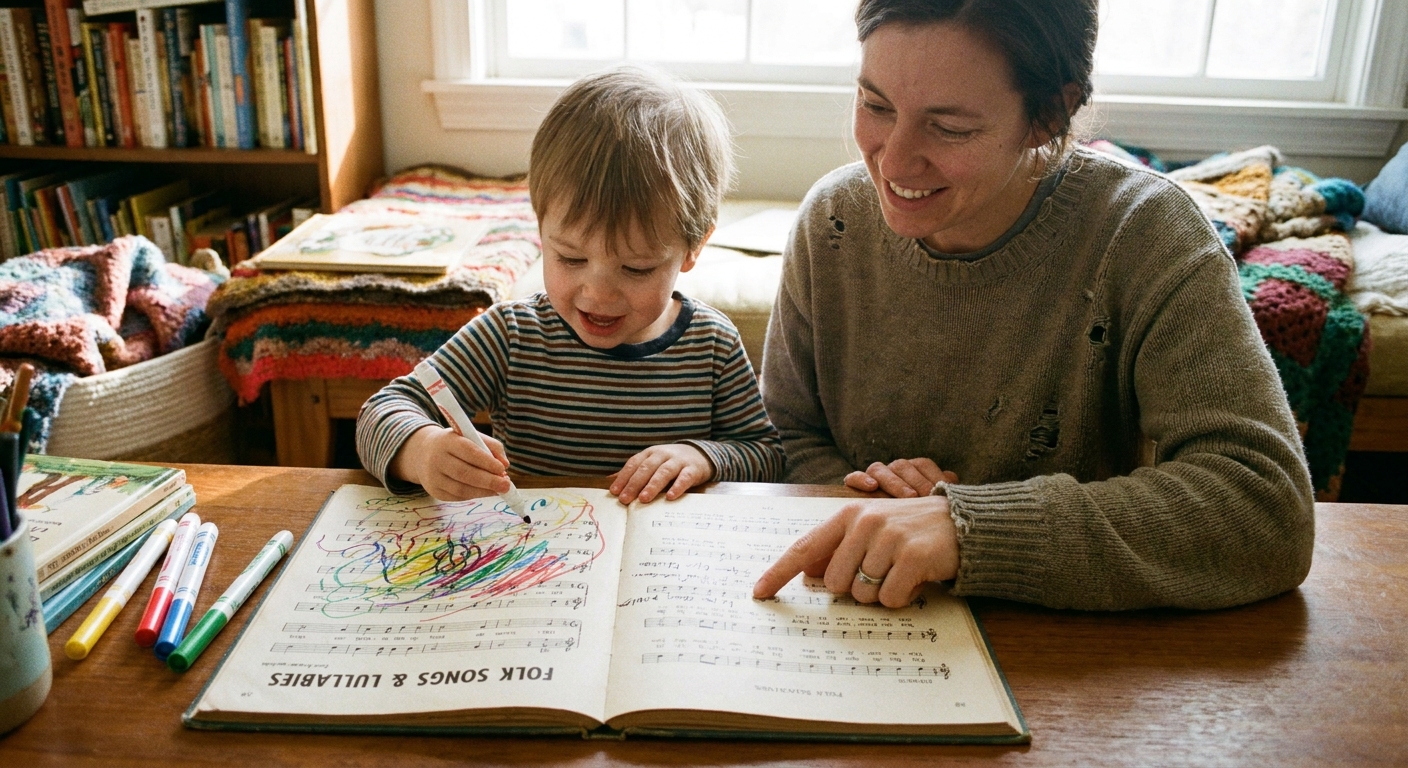
This part is pure magic. Kids turn lyrics into pictures in ways adults never would. Give a tiny prompt, then step back.
Simple prompts that work
- “Draw what you think happens in this song.”
- “Who is the main character?”
- “What colors does this song feel like?”
- “Can you add one hidden surprise on the page?”
Art ideas for different ages
- Toddlers: sticker pages, stamp dots, big crayon swirls. You can draw one simple icon (a moon, a bus, a teddy bear) and let them color around it.
- Preschoolers: character drawings, “scene” pictures, glue stick collages with scrap paper.
- Big kids: comic-strip panels, borders, speech bubbles, “album cover” art for each song.
A helpful boundary: pick one or two art supplies per session. Too many choices can turn fun into chaos fast.
Step 6: Add musical clues (even if you are not a music reader)
You do not need to write sheet music. A few friendly notes can help everyone remember how the song goes.
- Tune note: “To the tune of Twinkle, Twinkle” or “Slow like a lullaby.”
- Speed note: “Fast and silly” or “Whisper voice.”
- Action note: “Clap on the chorus” or “Rock side to side.”
- Mood note: “For brave feelings” or “For after a bad dream.”
If your songs include motions, peek at 15 Classic Action Songs for Preschool Fine Motor Skills for ideas you can adapt into your own lyrics and movements.
Make it last: durability tricks from my lived experience
Because yes, someone will spill something on it.
- Reinforce the cover corners with clear tape.
- Use cardstock for the cover, or glue paper onto a cereal-box panel for a sturdier front and back.
- Keep markers away from the binding edge so pages do not stick together.
- Store it where you sing, not where you file. Songbooks belong near bedtime baskets, not the “important papers” drawer.
Three sweet ways to use your songbook every week
- Bedtime “one song” rotation: let a child choose one page each night. You will be shocked how calming the predictability can be.
- Morning reset song: open to a silly page while everyone is still sleepy. If mornings are your struggle zone, 10 Upbeat Morning Songs to Speed Up Your Toddler’s Routine pairs beautifully with a homemade book.
- Grandparent visit tradition: ask visitors to pick a page, then let kids “perform” with the book as their stage prop.
Gentle fixes for common snags
“My child gets upset if I sing it differently.”
Write the “official” version in the book and give the alternate versions their own silly name, like “the zigzag remix.” Kids often relax once the book makes the rules feel clear.
“My kid scribbled over the lyrics.”
Congratulations, you have an authentic family artifact. If you need readability, tape a clean strip of paper over the messy line and rewrite it together.
“We cannot agree on which songs belong.”
Make a simple table of contents and add everyone’s “must-have” song, even if it makes no sense to you. A family songbook is a democracy with glue sticks.
“Some old rhymes feel weird or scary.”
You are allowed to edit. Truly. If you want help doing it gently, I wrote How to Gently Rewrite Scary or Outdated Nursery Rhymes, and the same approach works for family songs too.
A simple starter set of pages (if you want a nudge)
If you are staring at blank paper, try starting with these five page types:
- Cover page: “The (Your Last Name) Songbook” with kid art.
- Our bedtime lullaby: one song that signals sleep.
- Our clean-up song: short chorus, lots of repetition.
- Our brave song: for shots, first days, or big feelings.
- Our silly anthem: the one that makes everybody laugh, even when the day was hard.
Then leave 2 blank spreads at the end. Future-you will thank you.
One last cozy thought
When kids illustrate lyrics, they are doing something quietly powerful. They are saying, “This song belongs to us.” Years from now, the drawings will be the part that makes you tear up, not because they are perfect, but because they are proof of a real childhood lived in your home.
If you make a songbook this week, set it on the table after dinner and sing one page before anyone wanders off. That is my favorite way to start. Small, warm, doable.