
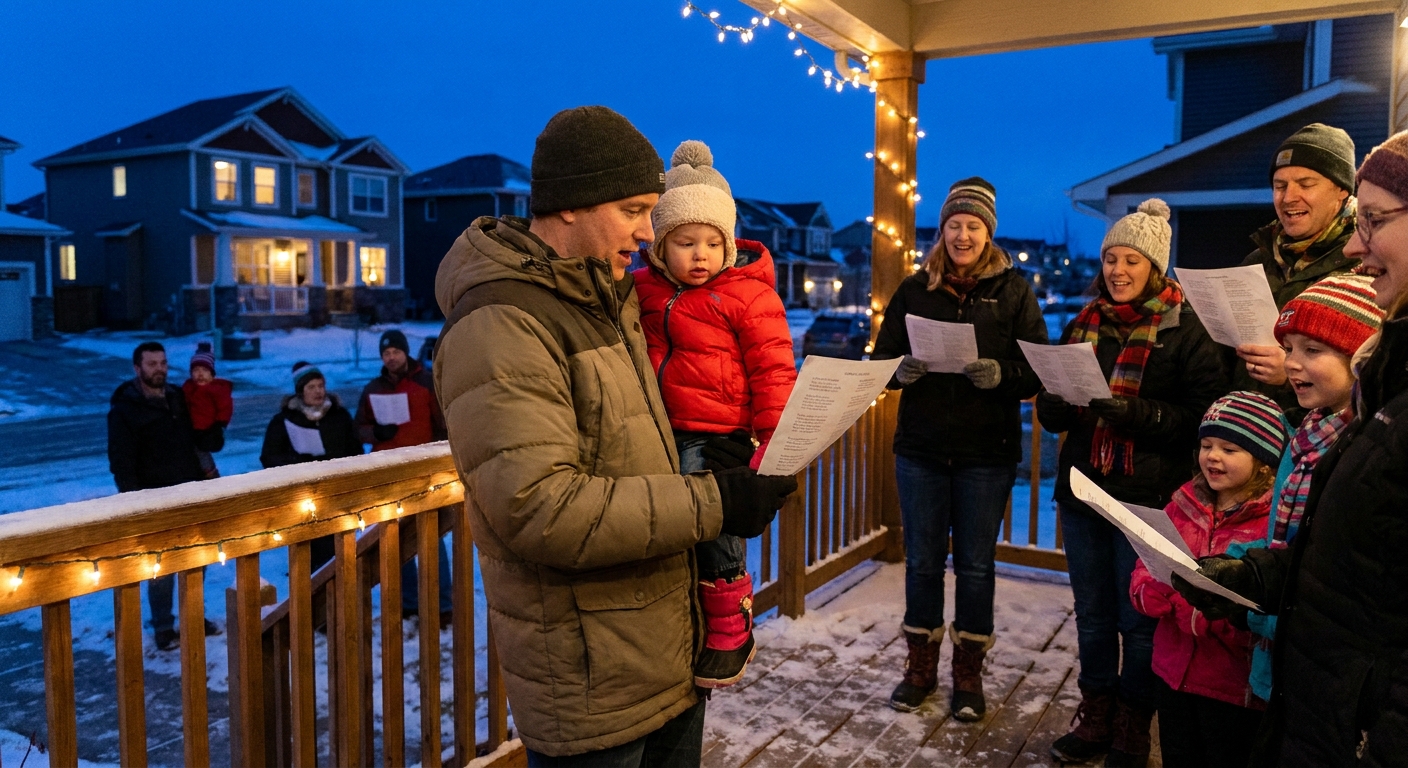
The first time I took a toddler caroling, I had a very sweet vision: rosy cheeks, twinkly voices, neighbors tearing up into their cocoa mugs. The reality was also sweet, just… louder. There was a mitten emergency. There was a sudden need to hop like a reindeer. Someone tried to sing “Jingle Bells” and invented four new verses about a driveway snowbank.
And you know what? It was still one of my favorite holiday memories.
If you’re thinking about neighborhood caroling with toddlers and preschoolers, this guide is for you. We’ll keep it short, warm, and wonderfully doable.
Start with the right mindset
With little ones, caroling is less like a performance and more like a moving playdate with singing. The goal is not perfect pitch. The goal is: everyone stays warm, everyone stays together, and you get a few bright moments that feel like the season.
- Keep the whole outing short. For many families, 20 to 45 minutes total (including walking) is a good starting range. If your crew is thriving, you can always do one more house.
- Expect participation waves. Toddlers may sing one door, then whisper, then only clap, then dramatically conduct.
- Choose easy wins. Repetition is your best friend, and no one needs the rare verses tonight.
Plan a simple route
Pick the easiest loop
Flat sidewalks, short driveways, and porch lights you can spot from down the block are your dream route. Many groups do best with about 4 to 8 homes, but fewer is completely fine. If you can make a loop that ends back at your house or a friend’s house, even better.
Timing that works
- Best time for toddlers: late afternoon or early evening, before full dark and before anyone’s “second wind meltdown” hour.
- Weeknights: keep it extra short.
- Weekends: you can stretch it, but it still helps to plan a firm end.
Give neighbors a heads-up if you can
If you already know a few neighbors, a quick friendly message earlier that day makes everything smoother. Keep it simple: “A few little kids may stop by for one short song around 5:30.” No pressure, no big coordination needed.
Best short songs
When kids are little, the winning songs have three things: a bouncy rhythm, a chorus that repeats, and words they already recognize. Here are my go-to picks.
Top one-verse carols
- Jingle Bells (chorus only, twice)
- We Wish You a Merry Christmas (first verse only, then “good tidings” chorus)
- Deck the Halls (one verse, and let the kids do the “fa la la” parts)
- Silent Night (one slow verse if your group is calm and bundled)
- Joy to the World (first verse only, faster is easier for many kids)
Add a playful seasonal song
If your crew includes lots of preschoolers, sprinkle in a silly one between doors to keep spirits up:
- Rudolph the Red-Nosed Reindeer (chorus and one verse)
- Frosty the Snowman (first verse only, then “thumpety thump thump”)
A simple 20-minute set list
- We Wish You a Merry Christmas (one verse)
- Jingle Bells (chorus twice)
- Deck the Halls (one verse)
If your family celebrates a different holiday, swap in any seasonal favorites with a repeatable chorus. The “one short song” approach still works beautifully.
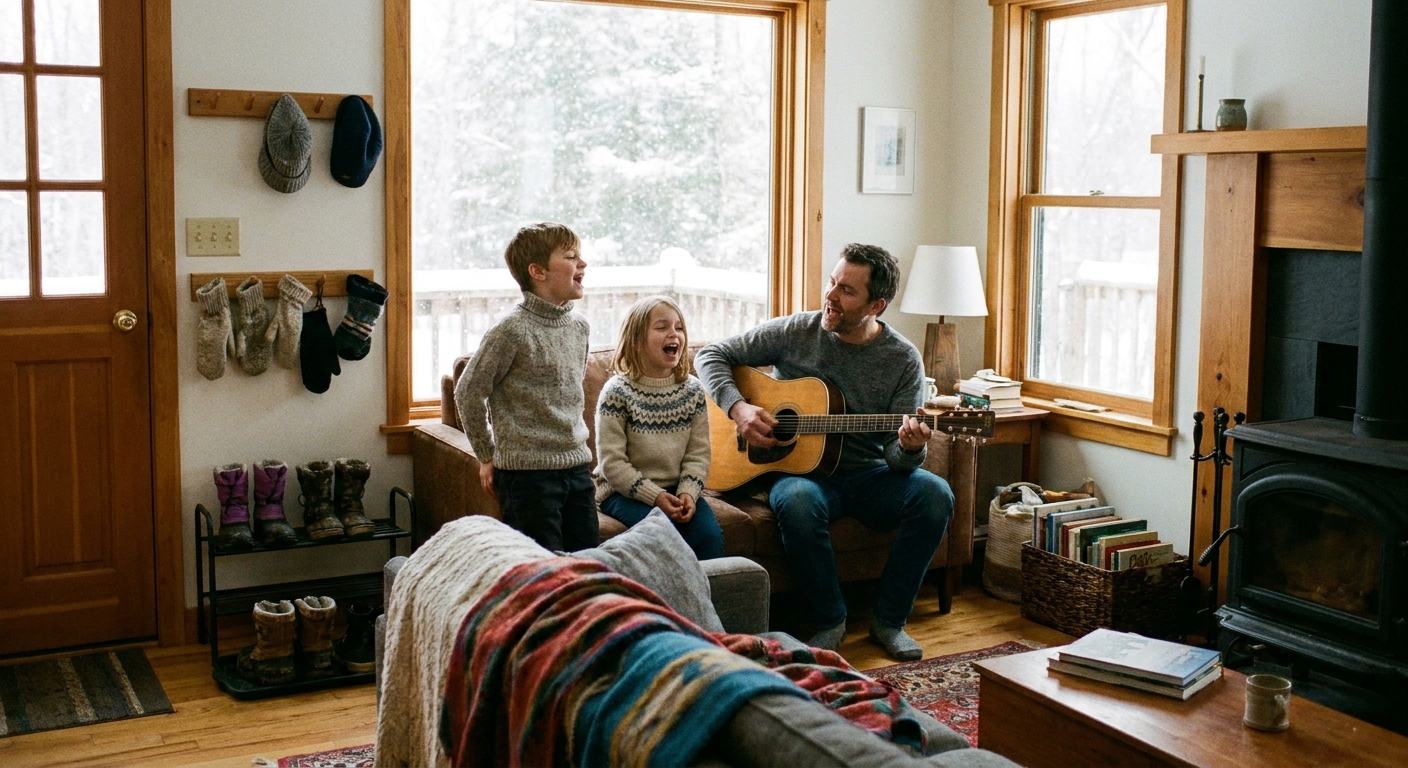
If you want more indoor winter singing to practice with, I keep a little stash of ideas in 12 Joyful Winter Songs for Kids to Sing Indoors.
Give toddlers a job
Toddlers love a job. A job keeps little feet near grown-ups.
- The Doorbell Helper: stands with an adult and presses the button only when you say “Now.”
- The Bell Ringer: holds one jingle bell or a tiny shaker.
- The Song Starter: helps you say, “Hi! Can we sing one short song?”
- The Thank-You Captain: practices one line: “Happy holidays!” or “Thank you!”
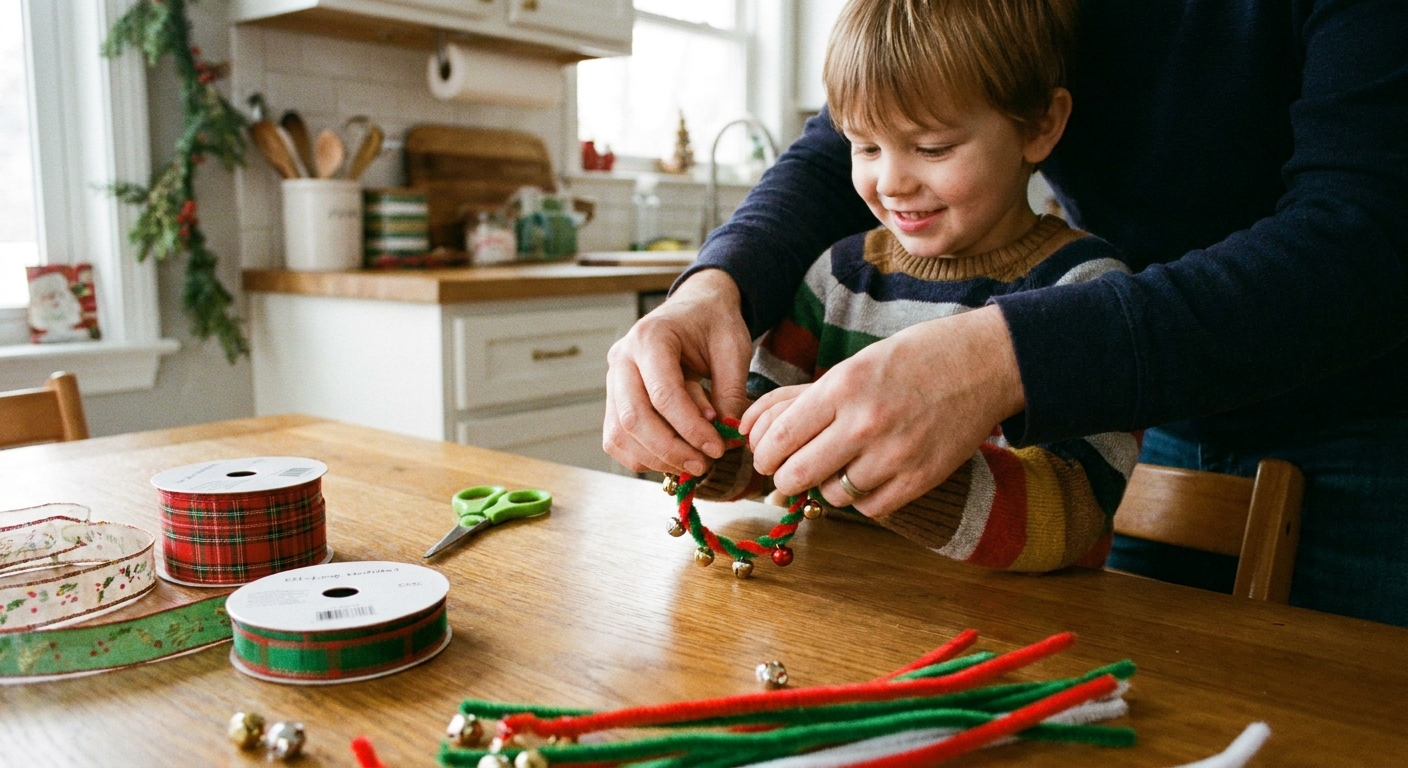
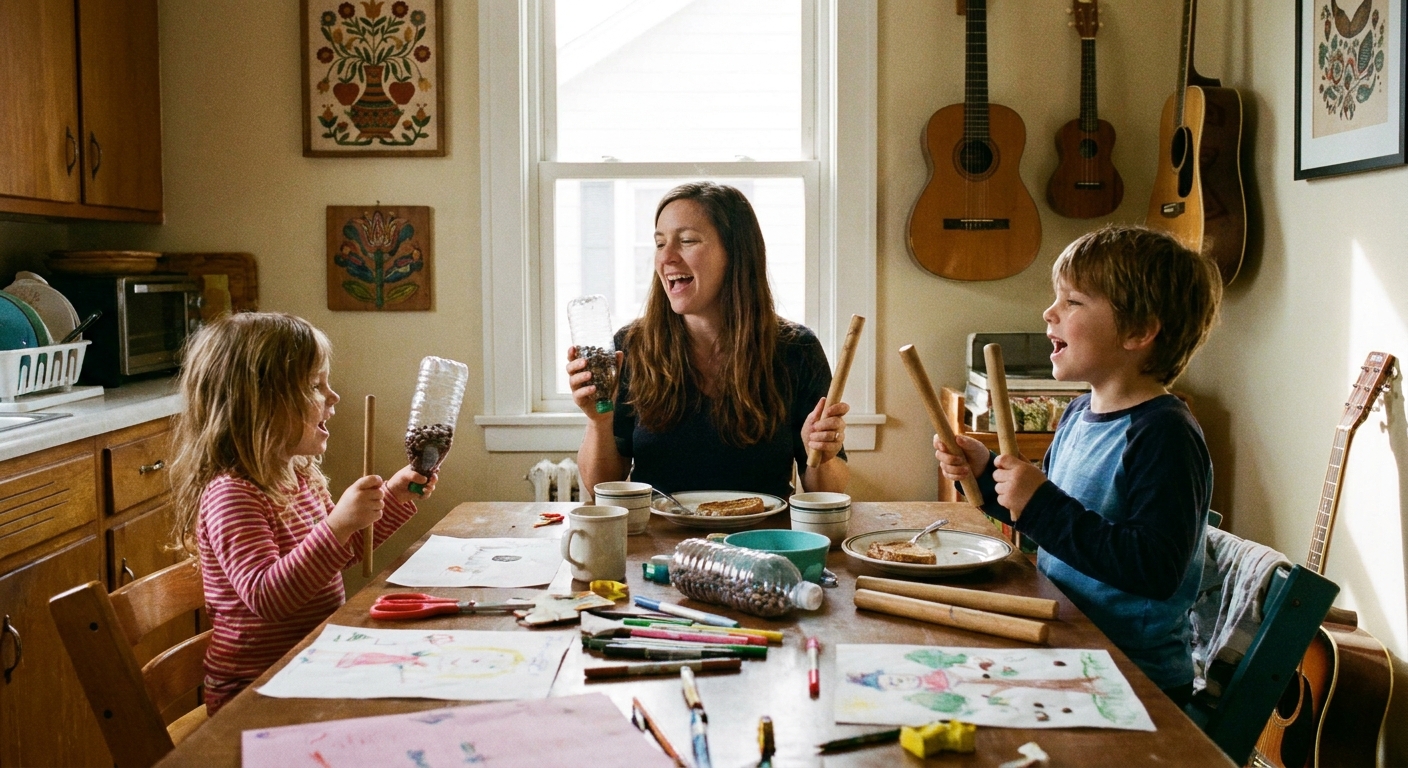
If you like adding easy instruments, you might enjoy DIY Shakers and Rhythm Sticks for Family Sing-Alongs. They’re perfect for tiny hands and cold-weather singing.
Dress for warmth
Caroling falls into that tricky category of winter activities where kids are alternately standing still and trotting to the next porch. That means warmth, wind-blocking, and quick adjustments matter.
A no-drama layering plan
- Base layer: soft, snug, and dry (a long-sleeve shirt and leggings, or thermal set)
- Middle layer: fleece or sweater for insulation
- Outer layer: coat that blocks wind
- Feet: warm socks plus boots that are easy to walk in
- Hands: mittens beat gloves for little fingers
- Head and neck: hat that covers ears, plus a neck warmer or scarf tucked safely inside the coat
Two mitten tricks from real life
- Bring one spare pair per child. Wet mittens turn cheerful singing into instant misery.
- Do a mitten check at every door. Before you sing: “Hands covered?” becomes your little ritual.
Stroller, wagon, or walking?
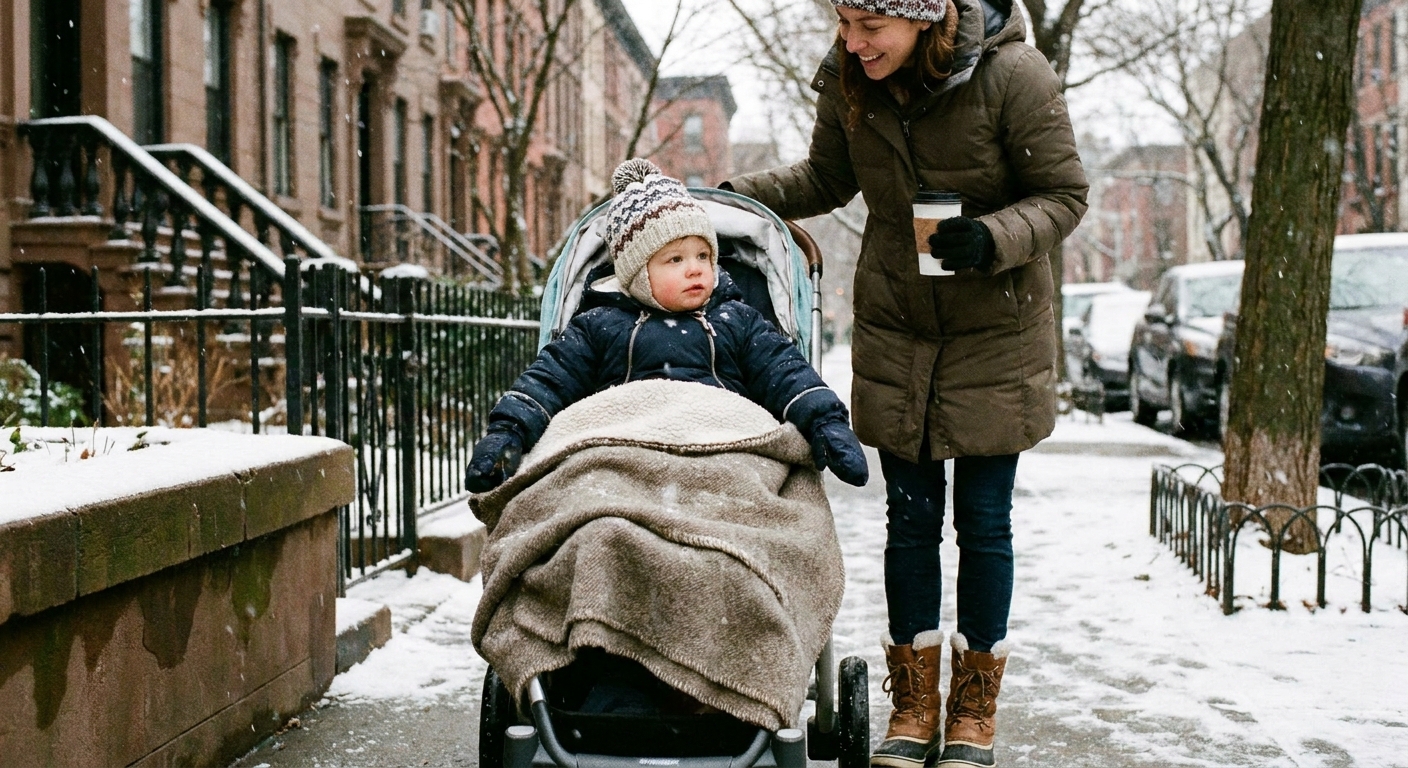
For toddlers, I love a stroller or wagon as your “warmth station.” Even kids who insist they will walk the whole time often appreciate a cozy ride after the third house.
Safety basics
Keep the group manageable
If you can, a helpful target is one adult for every one or two young kids, especially if you’ll cross streets or walk after sunset. More grown-ups is never the wrong answer.
A simple rule kids remember
- Rule 1: Hold a grown-up hand near the street.
- Rule 2: Freeze when the grown-up says “Stop.”
- Rule 3: Feet stay on the walkway, not the garden.
Porch approach, every time
- Adults step onto the porch first.
- Kids gather in a little bunch beside you.
- One adult stands slightly behind the kids, like a gentle gate.
- Sing one short song.
- Say thank you, then move on together.
Common hazards
- Dark driveways: avoid homes with steep or cluttered walkways.
- Excited dogs: if you hear big barking, choose a different house.
- Slippery steps: skip icy porches, even if the neighbors are your best friends.
Reflective details help
If you’re out near dusk, reflective armbands or reflective patches on coats can help drivers spot your group, especially on darker streets. Keep it simple and comfortable.
Easy etiquette
Little kids are learning community manners in real time, and neighbors are usually charmed. A few gentle guidelines keep it smooth.
- Ask for one short song. That phrase sets everyone up for success.
- Skip houses that look “off.” If the porch light is off, the house is busy, or it just doesn’t feel like a good moment, keep walking.
- If no one answers, move on. A cheerful wave and “Maybe next time!” keeps it light.
- Give the doorway space. Kids can wave rather than crowding the door if someone opens it.
- No pressure for treats. If a neighbor offers something, you can accept graciously, but it should never be expected.
- Treat check before eating. If kids receive candy or snacks, do a quick grown-up check for allergens and choking hazards, then save it for later.
- End with one line. “Happy holidays!” or “Thanks for listening!” is plenty.
If you want a sweet way to include faraway family in seasonal music, you might like 7 Meaningful Ways to Share Songs and Stories with Long-Distance Grandparents.
Between-house ideas
The space between porches is where toddlers often unravel. I plan a few tiny “in-between” rituals so the walk feels like part of the fun.
Quick engagement tricks
- Reindeer steps: everyone tiptoes like quiet reindeer to the next house.
- Jingle count: shake your bells 5 times, then stop.
- Whisper chorus: whisper the chorus as you walk, then sing normal volume at the door.
- Star spotting: look for holiday lights or the brightest porch light.
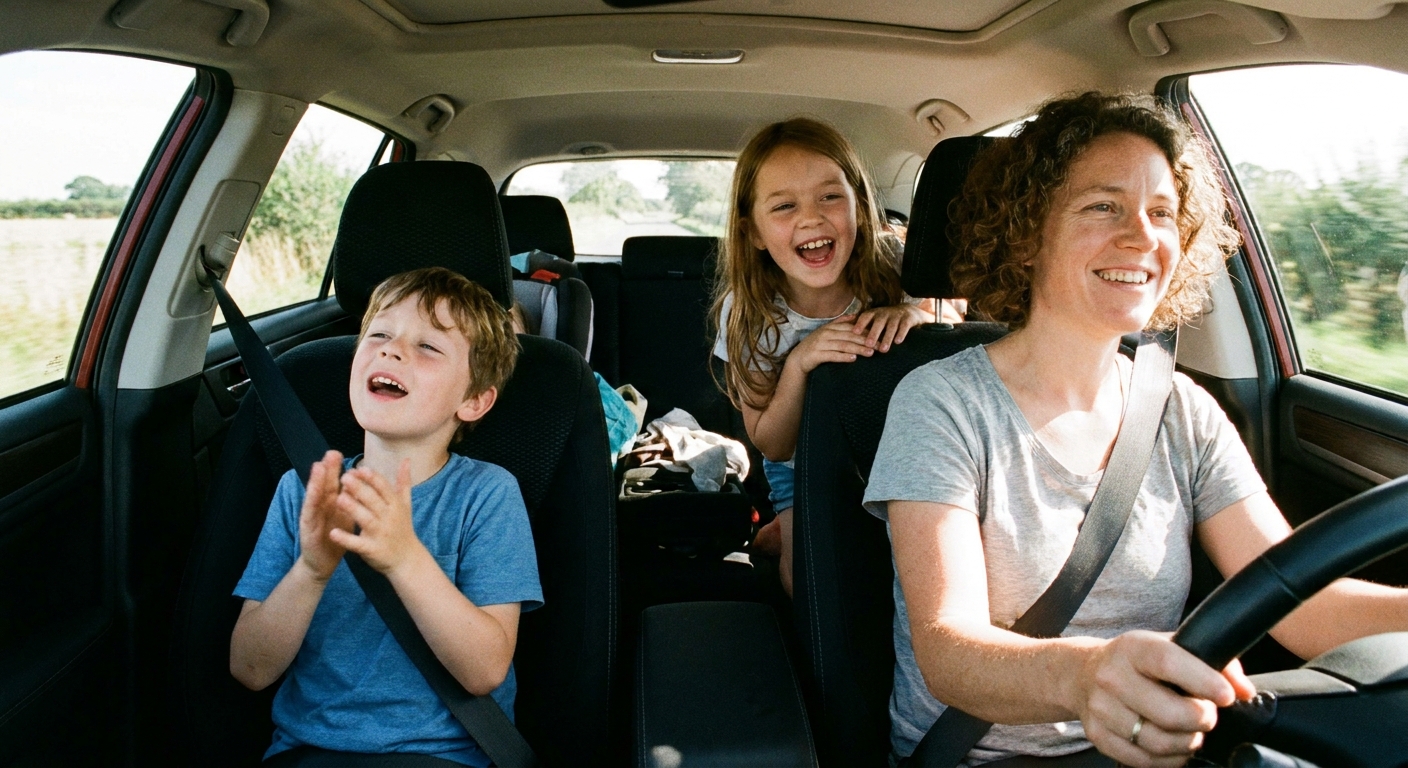
For more kid-friendly musical back-and-forth, I lean on call-and-response patterns all year. They work beautifully when kids are wiggly. See 20 Call-and-Response Songs for Road Trips for the general idea, then swap in seasonal words.
What to bring
You do not need much. You just need the right few things.
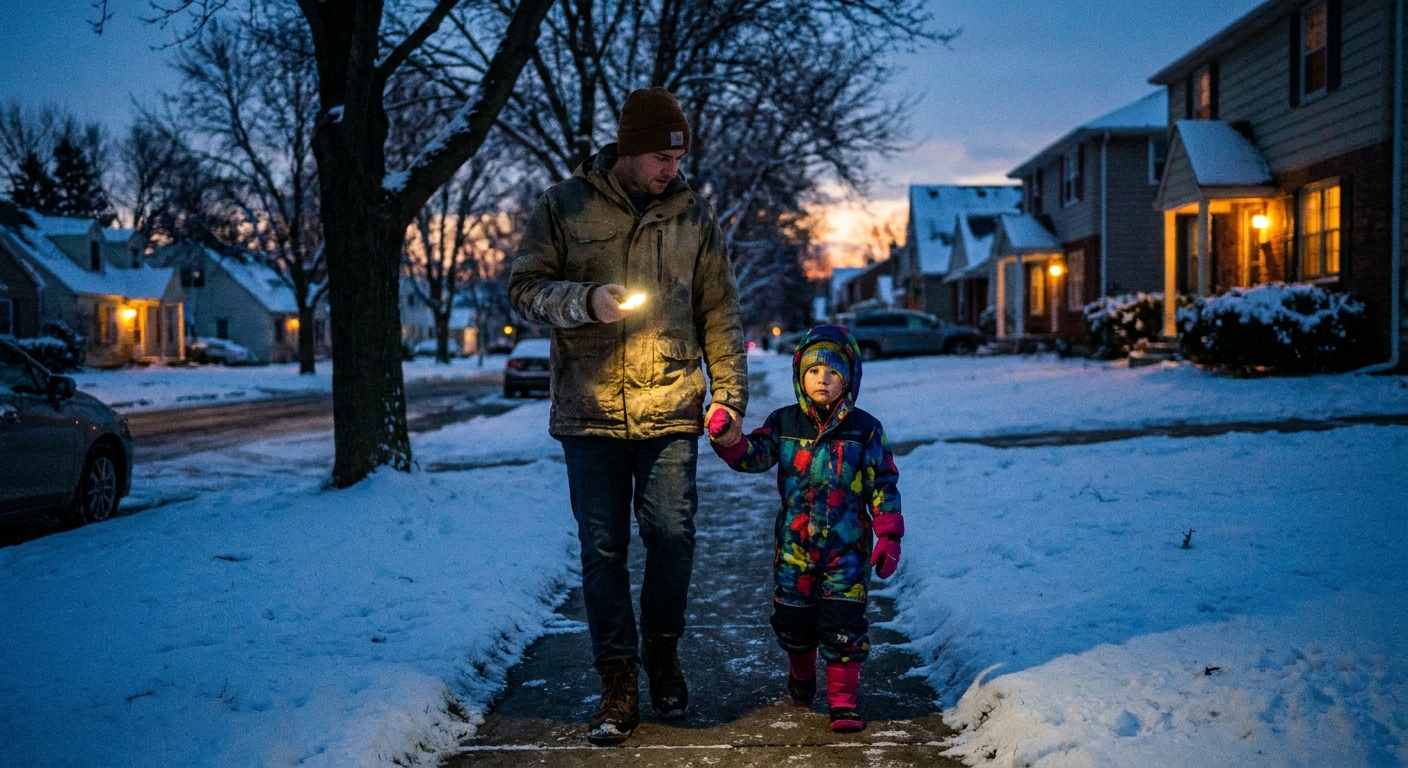
- Phone (for flashlight and emergencies)
- Small flashlight or headlamp for an adult
- Spare mittens for each child
- Tissues
- Water bottle
- A few simple bells or shakers (optional)
- Stroller blanket (even for preschoolers, it’s a warm “rest spot”)
Know when to stop
The secret to a happy memory is ending five minutes earlier than you think you should. Here are my favorite graceful exits.
- The Hot Cocoa Finish: “One more house, then cocoa.”
- The Countdown Finish: “We have two songs left tonight.”
- The Warm Toes Rule: if anyone says their toes hurt, you head back. Cold feet do not improve with optimism.
If a meltdown happens on a porch
It’s okay. Step back from the doorway (and off the porch if you need space), cuddle, and let the group finish a single chorus. If you need to leave mid-song, wave and smile. Neighborhood seasonal magic has plenty of room for real life.
Mini FAQ
What if my toddler won’t sing?
Let them hold a bell, wave, or just watch. Participation counts in many forms at this age.
How many houses is enough?
For toddlers and preschoolers, a handful of houses is usually the sweet spot. If you do 3 houses and everyone is cheerful, that is a win.
Can we carol if I can’t sing?
Yes. You can speak-sing, hum, or lead with rhythm. I wrote more encouragement for shaky grown-up confidence in Sing to Your Baby Even If You Hate Your Voice, and the same gentle truth applies here.
What if the weather is too cold?
Make it an indoor caroling walk inside your home or apartment hallway, or invite one neighbor family over and do “living room caroling” with cocoa. The tradition is the singing together, not the temperature.
Should we go if someone has a cough or fever?
If anyone in your group is sick, it’s kinder to stay home and do “living room caroling” instead. You still get the singing, and you skip the worry.
A cozy final thought
When toddlers carol, they’re not trying to impress anyone. They’re practicing bravery at a doorstep, learning a community rhythm, and discovering that their little voice can be part of something bigger. Keep it short, keep it warm, and let it be beautifully imperfect.
Happy singing, neighbors.